Smaller Watches Reign: The 37mm Sweet Spot is Back | VELOCE
Let’s be honest: for the last decade or so, the watch world went a little crazy with sizing. If a watch wasn't at least 42mm and thick enough to double as a hockey puck, many felt it wasn't worth wearing. We all wanted that heavy, wrist-dominating "flex" factor that came with oversized timepieces, a trend that really took hold in the early 2000s. Brands pushed case sizes from 42mm, to 45mm, and even beyond, and for a while, bigger was unequivocally better.
May 23, 2026 0 views
The Big Watch Era Is Over: Welcome Back to the 37mm Sweet Spot
Let’s be honest: for the last decade or so, the watch world went a little crazy with sizing. If a watch wasn't at least 42mm and thick enough to double as a hockey puck, many felt it wasn't worth wearing. We all wanted that heavy, wrist-dominating "flex" factor that came with oversized timepieces, a trend that really took hold in the early 2000s. Brands pushed case sizes from 42mm, to 45mm, and even beyond, and for a while, bigger was unequivocally better.
But if you look at what’s dropping lately—and more importantly, what real collectors are actually buying—something has massively shifted. The pendulum is swinging back.
The era of wearing a dinner plate on your wrist is officially cooling off. The new sweet spot? It’s sitting right in that classic 36mm to 39mm range.
The Great Size Correction
So, why the sudden shrink? It's less a fleeting trend and more of a market correction—a return to the timeless proportions that defined watchmaking for most of the 20th century. It mostly comes down to a reality check on daily comfort and wearability. A massive 44mm diver's watch looks cool in pictures, but after eight hours at a desk, it starts to feel like a wrist weight. Collectors are realizing that vintage proportions just wear better.
These more traditional sizes slide effortlessly under a shirt cuff, they don't bang into doorframes, and they present as an elegant accessory rather than a cry for attention. This isn't just nostalgia; it's a renewed appreciation for subtlety, craftsmanship over sheer size, and versatility in a timepiece that can move from casual to formal settings.
Brands are Listening
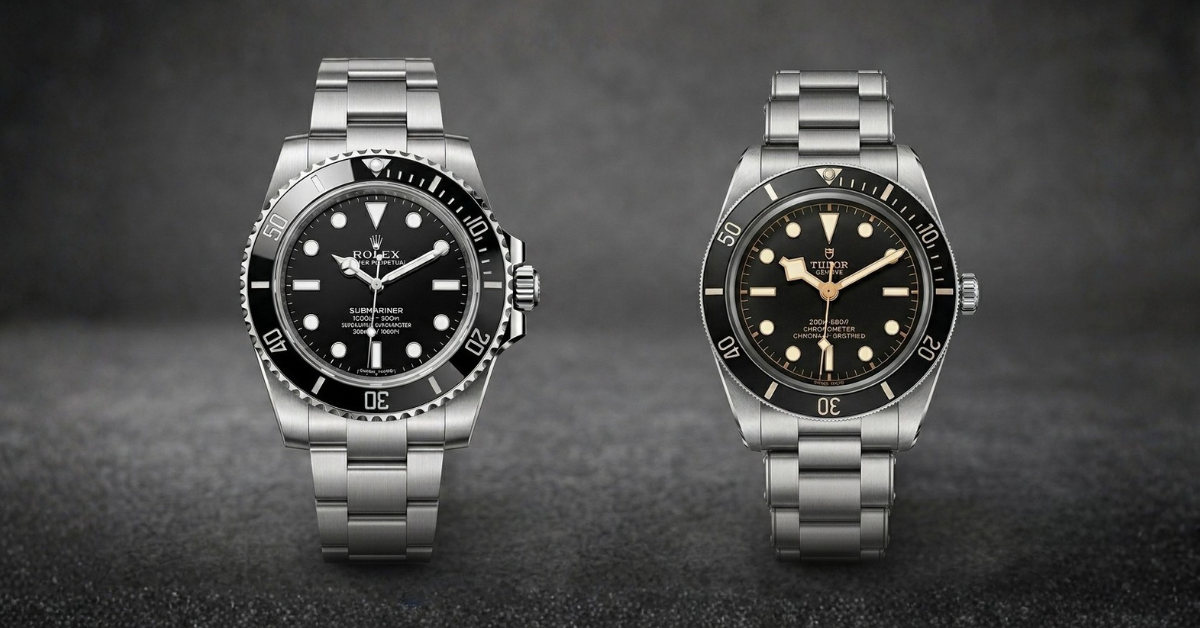
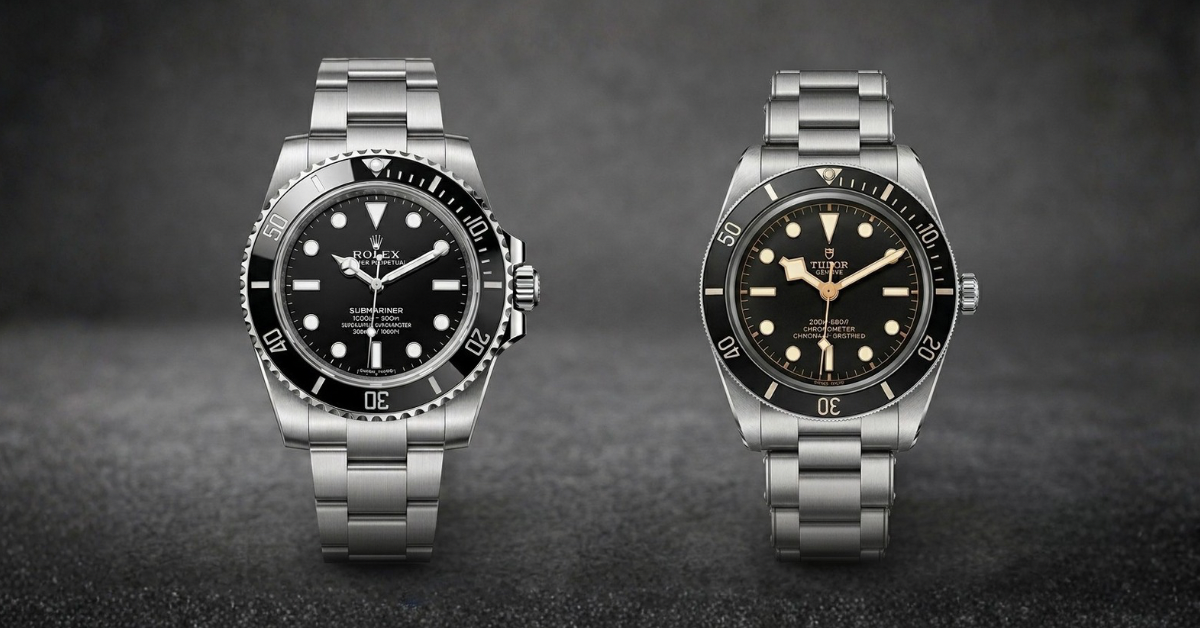
The industry's biggest players are leading the charge. Rolex was pivotal in this shift when it returned the Explorer to its original 36mm, a move that resonated deeply with purists. We're also seeing major brands like Tudor expand their 39mm offerings, and even Panerai, a brand synonymous with oversized cases, has released smaller 40mm models. This isn't just happening at the high end; brands across the spectrum are reintroducing classic dimensions because that’s where the demand is headed. The consensus is clear: 36mm to 38mm is no longer a niche or "vintage" size—it's central to modern collections.
What the Community is Saying
Don't just take our word for it. This is being fiercely debated across the watch community right now. Forums and social media are buzzing with collectors celebrating the return to more classic proportions.
Over on Reddit, a massive thread popped up asking: "Is watch sizing finally swinging back to 34–39mm?"
Enthusiasts are pointing out that while the average person might still buy a massive watch for show, true collectors are moving toward smaller, more refined pieces. One user put it perfectly:
"My 7-inch wrist can handle bigger cases but daily comfort just better with 36-38mm range. Wears so much better under shirts and feels more elegant."
👉 Check out the full debate here: https://www.reddit.com/r/Watches/comments/1sfvvcg/discussion_is_watch_sizing_finally_swinging_back/
Another hot debate titled "Do you prefer smaller classic watches or larger modern sizes?" brought out the traditionalists who are glad the trend is dying:
"The whole dinner plate trend was wild for a while there... I think 36-38mm hits that perfect sweet spot where it's substantial enough to feel modern but still proportional to most wrists."
👉 Read the rest of the comments here: https://www.reddit.com/r/Watches/comments/1ry6msm/questiondo_you_prefer_smaller_classic_watches_or/
Even the indie world is seeing it. In a thread on r/MicrobrandWatches asking if smaller sizes are a permanent trend, a collector noted:
"Yes and thank goodness... I honestly don't know who ever decided a big dinner plate on the wrist looked good. I had 42s and 44s but even those look stupid to me now."
👉 See what the microbrand community thinks here: https://www.reddit.com/r/MicrobrandWatches/comments/1iixspi/is_there_a_trend_towards_smaller_case_sizes_and/
Where Do You Stand?
Is this a much-needed return to classic, comfortable style, or is it just a temporary vintage fad that leaves guys with bigger wrists out in the cold? While the oversized watch isn't gone for good, the re-emergence of smaller, more considered proportions signals a maturing collector market that values heritage and wearability as much as wrist presence.
Let’s settle this in the VELOCE feed.
Drop a wrist shot of your favorite daily driver below, tell us the case size, and let us know your wrist size. Are you team sub-40mm, or are you sticking with the heavy metal?
GALLERY