The Journal By Nick·September 11, 2025· 6 min read
My Interview with SēL Instruments
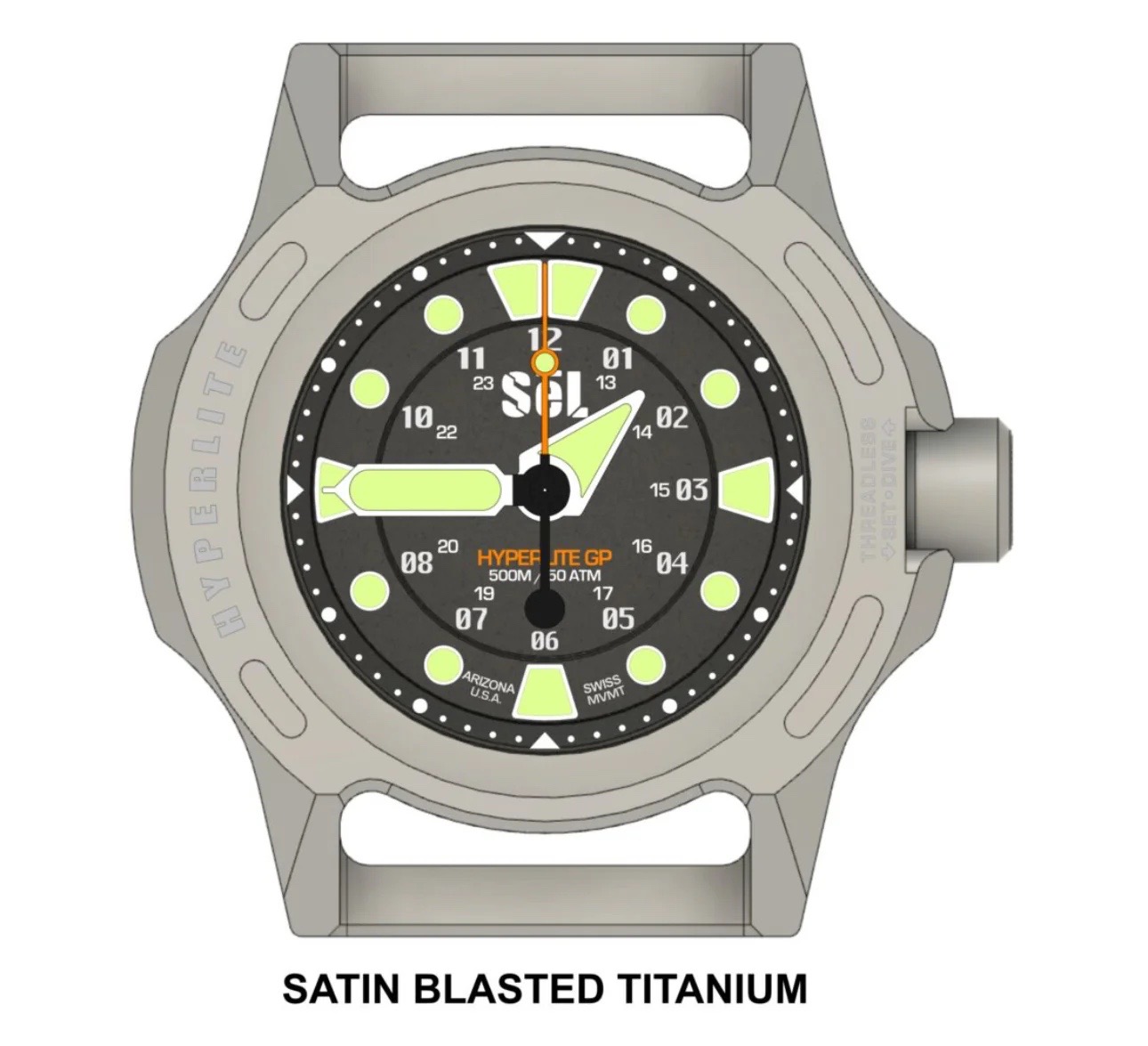
By Nick·September 11, 2025· 6 min readDiscover SēL Instruments, the American watchmaker from Tucson, Arizona, committed to building uncompromising tool watches using Grade 5 Titanium and advanced shock-isolation systems. Learn how they're engineering extreme durability and precision, including their new Hyperlite GP Field Watch.
0 views
IN THIS ARTICLE
SēL Instruments: Engineering Without Compromise

I recently connected with SēL Instruments to learn more about their journey as an American watch manufacturer, their uncompromising approach to engineering, and their latest release, the Hyperlite GP Field Watch. In this interview, the team shares insights into their design philosophy, innovations in durability, and what sets SēL apart for any discerning dialhead in the world of tool watches.

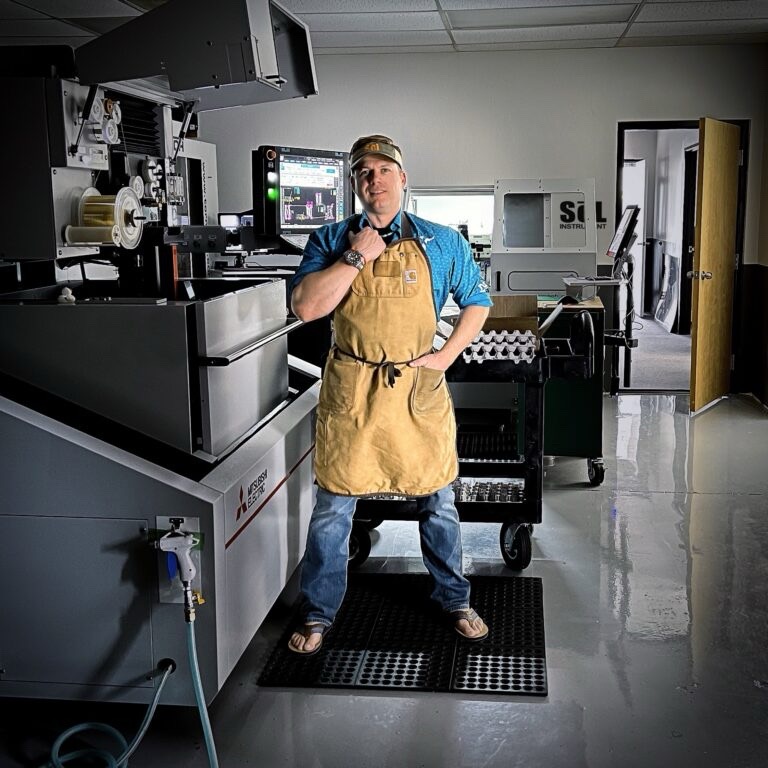
Andrew McLean
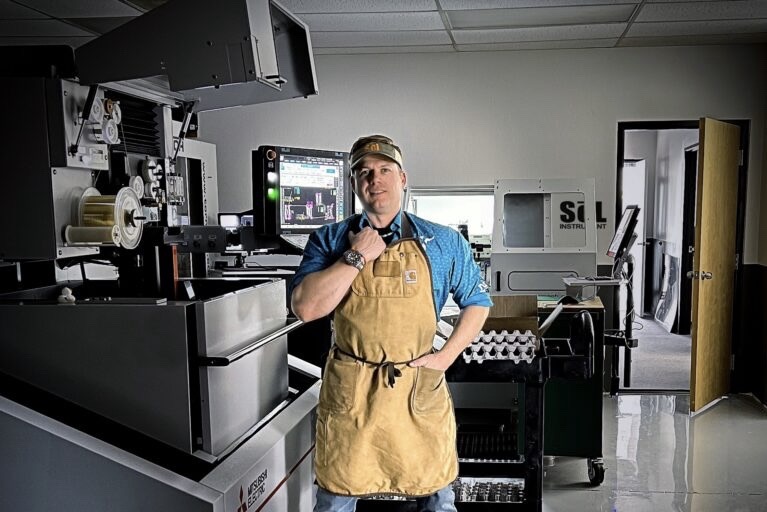
The founder behind SēL Instruments, driven by a mission to fix "mediocre engineering" in professional tool watches. Based in Tucson, Arizona, SēL is redefining what American-made horology looks like through Grade 5 Titanium and advanced shock-isolation systems.
Visit SēL Instruments
Q. What inspired the founding of SēL Instrument, and how has your mission evolved since the company started in Tucson?
I always loved watches, dive watches in particular, but my career aspirations never included starting a watch manufacture until I experienced some pretty mediocre engineering from a number of "professional" and "military" watches during my last career. The movements themselves were always pretty serviceable but all of the engineering related to environmental protection, strength, user interface, adjustability, and comfort was pretty mediocre.
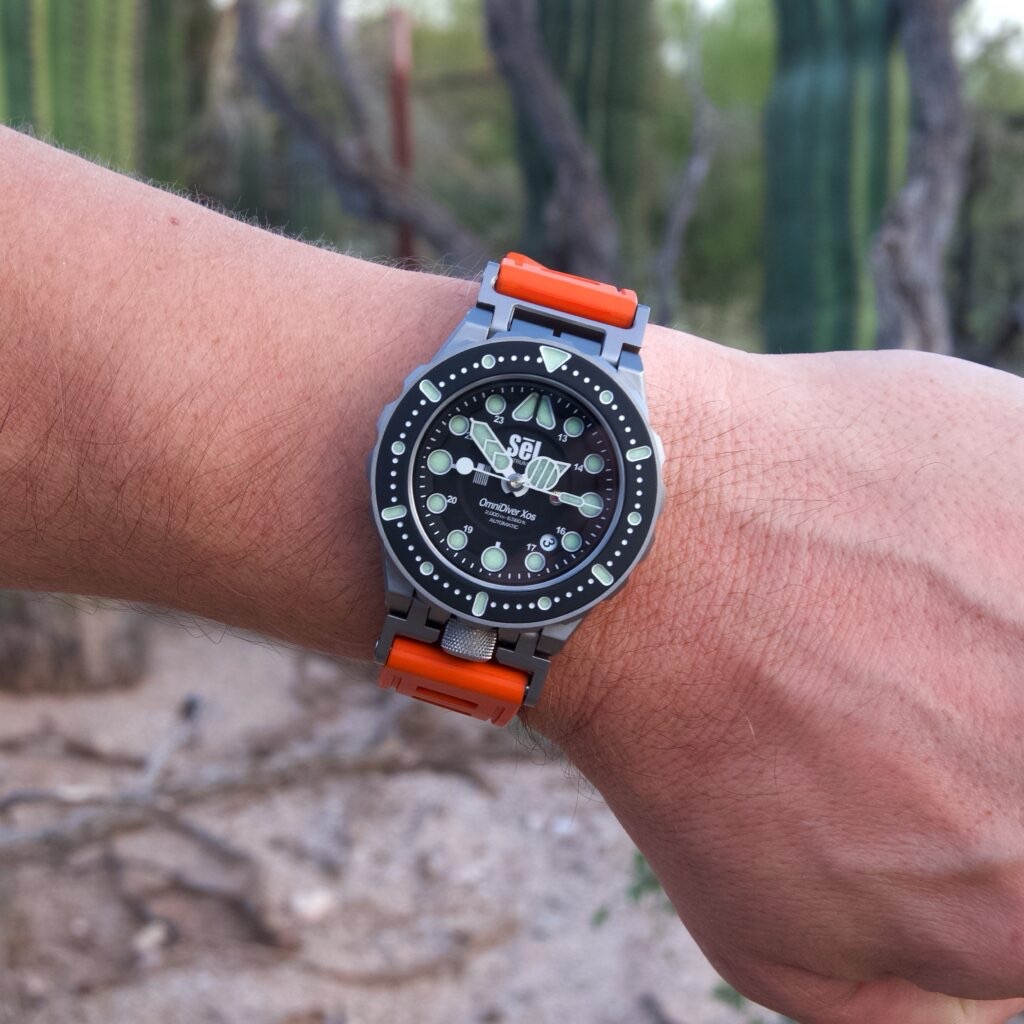
As a thought exercise initially, I started thinking through different engineering solutions that might improve on each of those areas and how I might integrate all of it into a single watch that I would consider the “ultimate dive watch” and ultimately that became the OmniDiver MK1 and WavLock Bracelet.
Q. How does SēL balance high-performance engineering with making watches affordable for enthusiasts and professionals alike?

For us each new model starts with our function first approach where we identify what our performance goals are. Initially we were less concerned with cost because our goal for the first OmniDiver was to take every single performance metric to the absolute max. We were able to achieve 6,000m with a gas fill and 11,000m with fluid fill in a 46mm case.
For a more cost conscious model like our new Hyperlite, we designed the watch to meet those requirements without anything else that might unnecessarily drive cost—which is why you see no screws, no cross bars, and a silicon core concept that integrates the dial and movement housing into a single component.
Product & Design
Q. Can you walk us through the design and engineering process behind your new GP Field Watch?

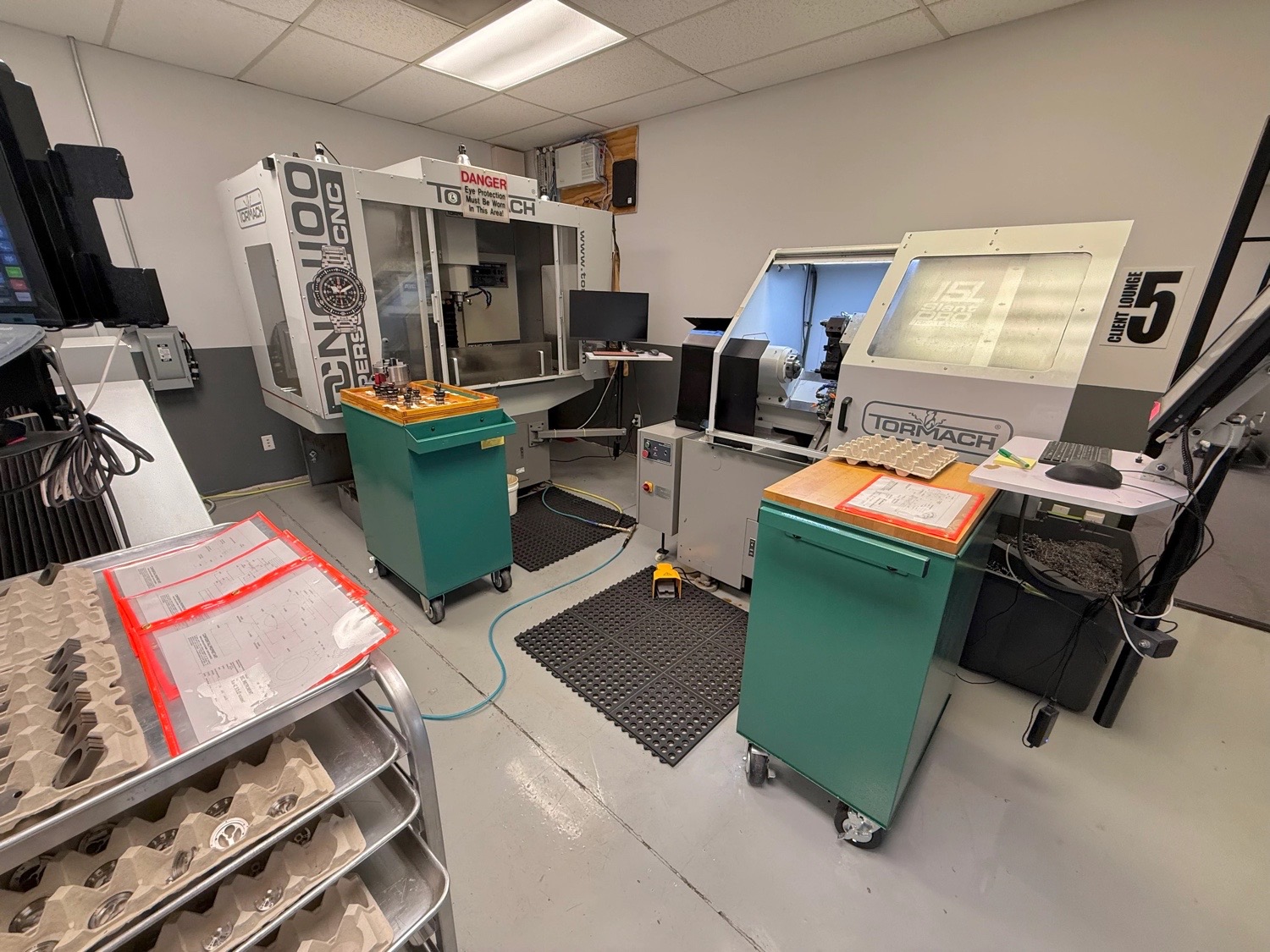
The biggest challenge by far was cost. Hyperlite will be entirely machined in our workshop in Tucson, Arizona. The big question was how we design this to meet performance goals, stay in Grade 5 Titanium, stay made in our workshop, and keep the price under $1,500. We finally made it possible by acquiring new high-speed machines and integrating a silicone core concept with fixed lugs.
Q. Why did you choose Grade 5 titanium as the core material?
Grade 5 titanium and 950 platinum are the ultimate tool watch materials. Grade 2 (commercially pure) is relatively soft and weak, whereas Grade 5 is substantially harder, stronger, and significantly lighter than stainless steel. It’s extremely challenging to machine, requiring significant R&D, but the performance gains are undeniable.
Q. The triple-sealed crown and shock-resistant silicone core are unique features—what were you designing for?

Every movement is susceptible to shock. For our high-end models, we developed 'Labyrinth Flux', where the movement literally floats in 3D space. For the Hyperlite, we use a silicone surround to enhance resistance at a lower cost.
On the crown: our in-house crowns are water-resistant even when unscrewed. We use screw-down crowns on divers because the market expects it, but for the Hyperlite GP field watch, we opted for our dynamic push-pull crown. Triple-sealed means redundancy—as they say, one is none and two is one.
"Military standards (MIL-SPEC) are actually pretty low. For us, MIL-SPEC is the absolute bare minimum."
Q. How do you test durability to ensure it meets professional standards?
We built our own 20,000psi rated test rig (capable of 30,000psi). For reference, to dive to the bottom of the Mariana Trench, you only need 16,000psi. We conduct destructive testing to understand limits; we have intentionally imploded many watches in our chamber. Even through 2-inch thick walls, the implosion sounds like a gunshot.
Technology & Innovation
Q. Why use Swiss Chronometer Grade Thermo-Compensated Quartz?
Automatic movements are beautiful and we love them, but in terms of technical performance for a true tool, nothing beats temperature-compensated quartz. It’s realistically accurate to 10 seconds per year and incredibly shock resistant.
Q. Are there any new technologies in the works?
We are producing two in-house calibers currently. One is an automatic mechanical movement with enhanced anti-magnetic properties and a large power reserve. We are also experimenting with a new material that will remain classified until release—we will be the first in the world to use it.
Community & Culture
Q. Any memorable stories from the field?

One military client caught his wrist on a corner during a CQB exercise; he broke the cinder block wall, but not his watch. Another won the Baja 1000 in an OmniDiver MK1. It’s humbling to be selected as a wrist companion for the most important—and most dangerous—days of our clients' lives.
GALLERY
WRITTEN BY
Nick
I originally started VELOCE to put my skills to work, hone my app design and web development practices, and dive deeper into the world of horology. I wanted to learn more about the watches, the brands, and the incredible people behind them - the creators, the designers, and the collectors. I love discovering new timepieces and sharing their stories with the world. VELOCE is my ultimate passion project and hobby, the creative space I head to after my full-time job to build something I truly care about.