The Journal By Nick·February 19, 2026· 5 min read
Rugsac Extreme Torque Review: Unique Speedometer Jump Hour
By Nick·February 19, 2026· 5 min readDive into the unique world of the Rugsac Extreme Torque, where motorsport meets horology for a truly dynamic wristwatch experience.
0 views
IN THIS ARTICLE
More Than Just a Watch: Deconstructing the Rugsac Extreme Torque
In the burgeoning world of microbrands, a space crowded with homages and minimalist designs, it takes a bold statement to capture the attention of seasoned enthusiasts, especially a discerning dialhead. The Rugsac Extreme Torque does exactly that. It's a timepiece that forgoes subtlety, strapping the raw, visual language of the automotive dashboard directly to your wrist. Part conversation starter, part horological novelty, this watch from the Indian microbrand is a fascinating study in accessible complexity and unapologetic design.
But beyond its striking first impression lies a story of historical complications made modern and a positioning in the market that warrants a closer look. Is this the breakout star for the budget-conscious collector, or a fleeting novelty? Let's get under the hood.
A Dashboard Dream: Design and Inspiration
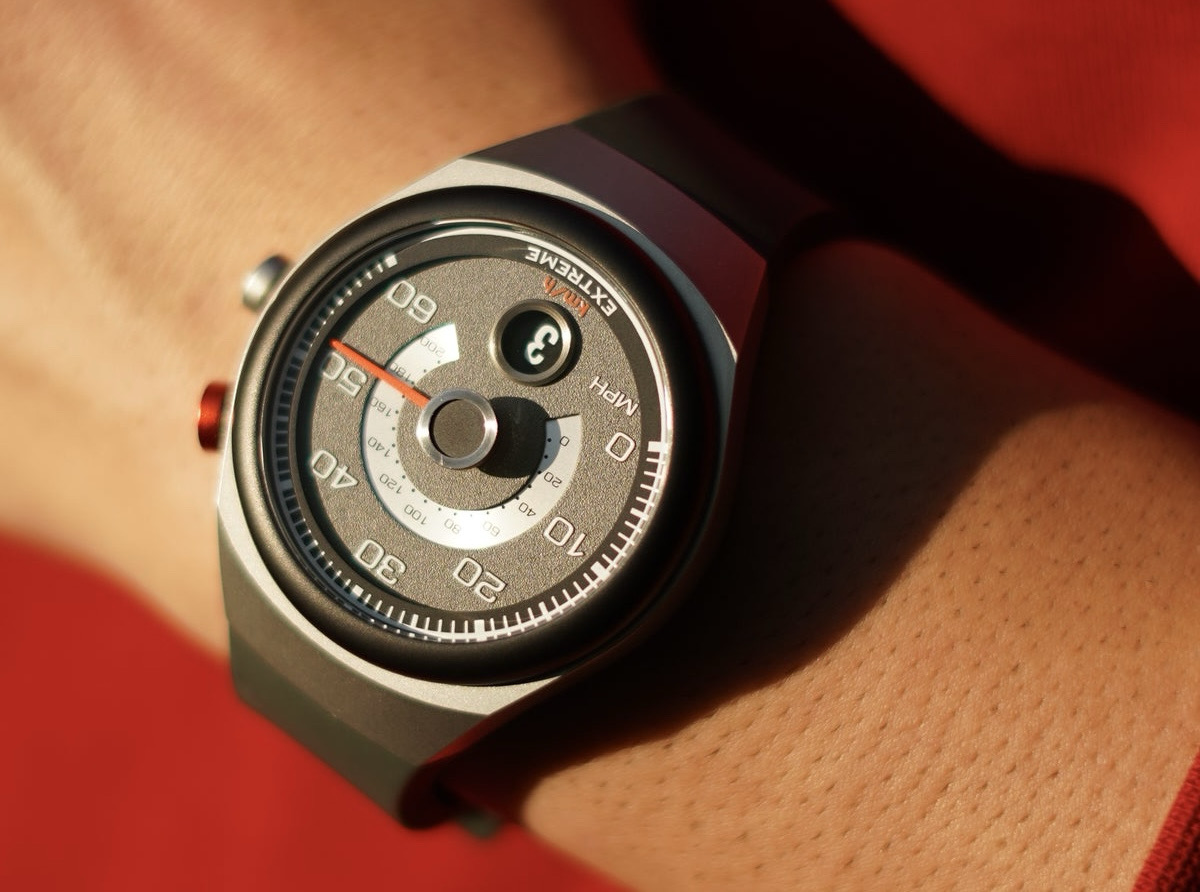
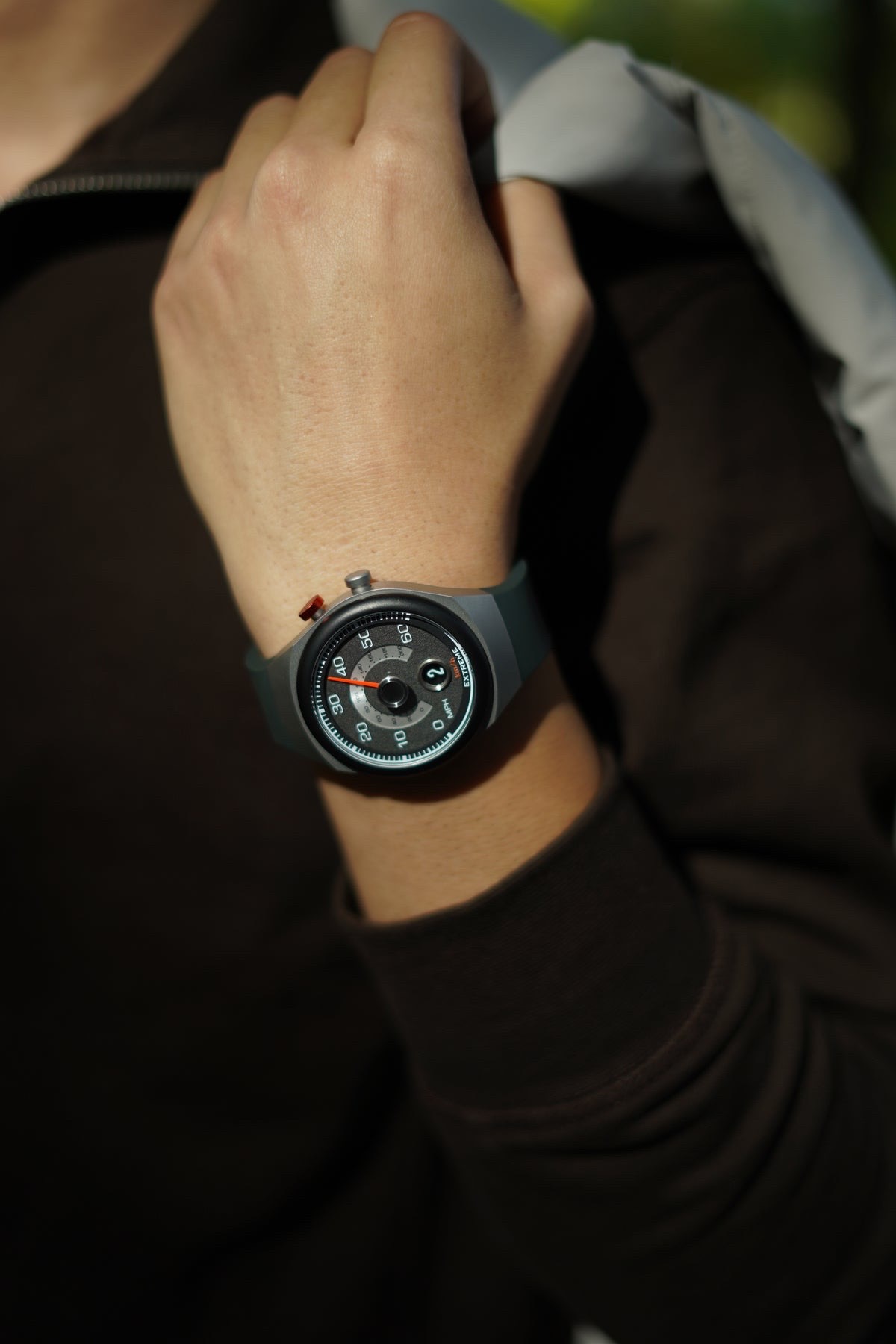
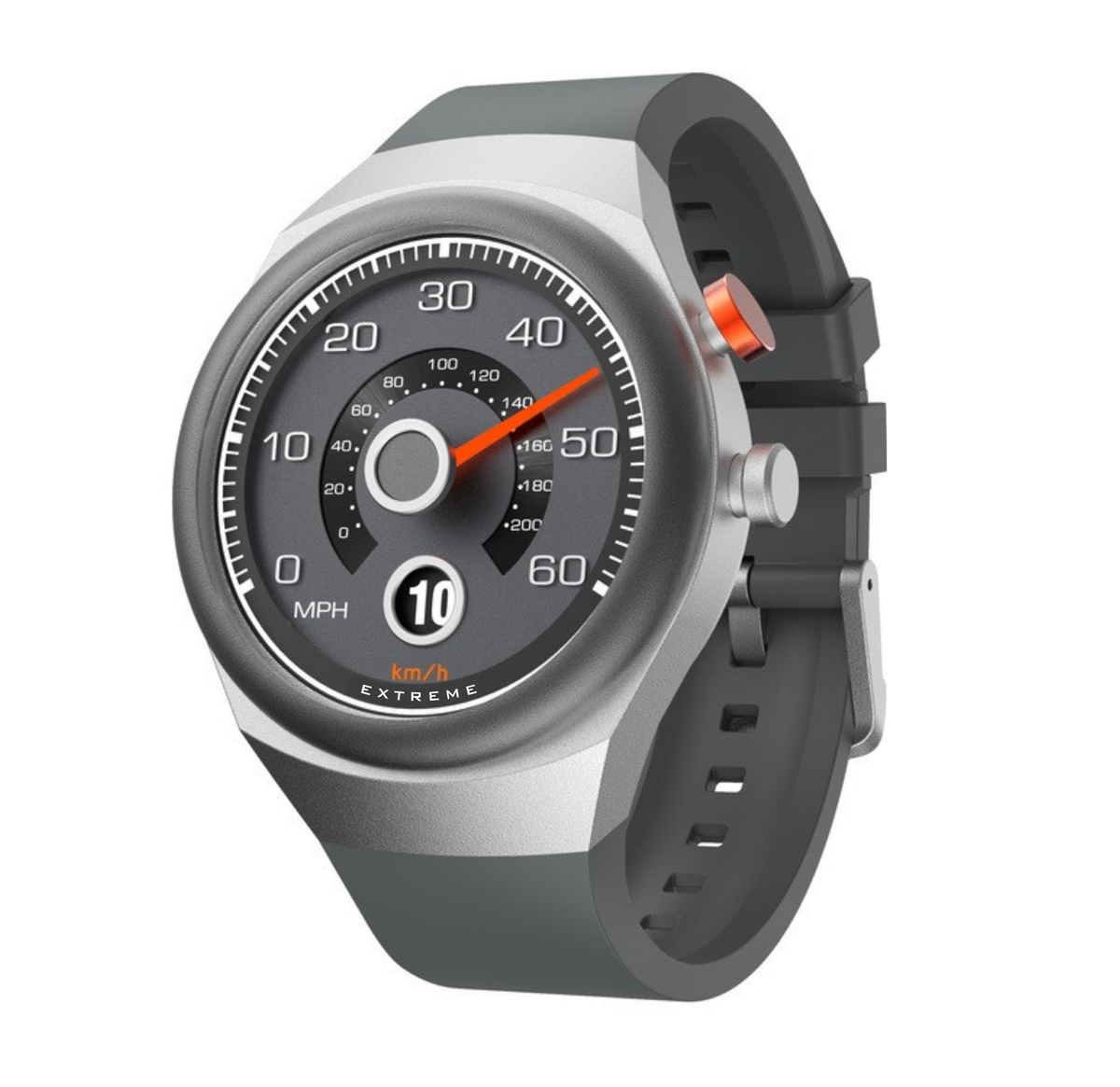
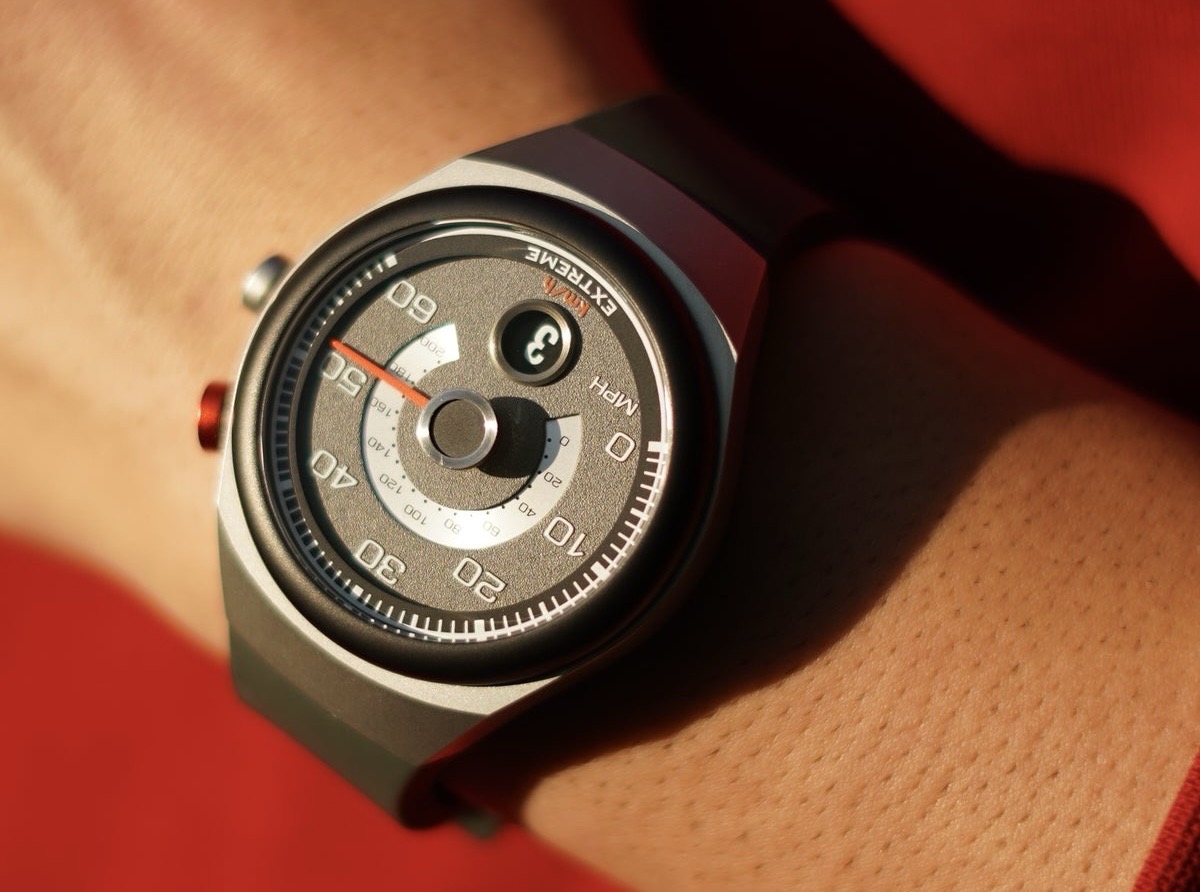
The primary appeal of the Extreme Torque is its direct and unapologetic link to motorsport. The dial is clearly inspired by a sports car's instrument cluster—specifically the speedometer or odometer. The main display is a large, semi-circular track for the minutes, dominating the visual real estate just as a rev counter does for a driver. The font, the grainy tarmac-like texture of the dial, and the vibrant orange accents all scream performance and speed. This isn't just a watch; it's an instrument designed to evoke the feeling of being behind the wheel.
The 316L stainless steel case, typically measuring between 41mm and 42mm, has a sandblasted matte finish that complements the industrial, tool-like aesthetic. Rather than a traditional crown for time-setting, the Torque features two pushers on the side, labeled "Drive" and "Shift," further cementing its automotive identity and controlling the forward and backward setting of the minute hand.
Unlike many of its contemporaries who draw from a well-worn playbook of dive or field watch designs, Rugsac has opted for a path defined by visual theatrics. It’s a gamble that pays off in sheer distinctiveness.
Horological Heritage on a Budget: The Complications
What truly sets the Extreme Torque apart are its time-telling mechanics: a jumping hour and a retrograde minute hand. While they may seem futuristic, both complications have a rich history in haute horology, making their appearance at this price point particularly noteworthy.
The Leap of the Jumping Hour
Instead of a traditional hour hand sweeping around the dial, the Torque displays the hour digitally through an aperture, or window. This number remains static for 60 minutes and then, precisely at the top of the hour, it "jumps" instantaneously to the next. This complication, first patented for a pocket watch by Austrian engineer Josef Pallweber in 1883, was a radical departure from analog displays. It saw a surge in popularity during the Art Deco period of the 1920s and 30s, prized for its clean, modern aesthetic. To find it in an affordable, modern quartz watch democratizes a feature once reserved for high-end mechanical marvels.
The Snap of the Retrograde Minute
The star of the dial is the large, single minute hand that travels along a 180-degree arc. When it reaches the 60-minute mark, it doesn't complete a circle; instead, it instantly snaps back to zero to begin its journey again. This is the retrograde function. Its history goes back even further than the jumping hour, appearing on exquisite pocket watches in the late 17th and 18th centuries. Creating the spring-loaded cam and lever system for this instantaneous return is a significant mechanical challenge, making retrograde displays a hallmark of watchmaking prowess.
The Engine: A Modified Miyota Heart
Powering these complications is not a complex mechanical caliber, but an innovative quartz movement. Rugsac describes it as an in-house quartz caliber with a modified gearbox from Miyota, the Japanese movement manufacturer owned by Citizen. This is key to the watch's accessibility. Miyota is renowned for producing reliable and robust movements that are the go-to choice for countless microbrands. By building upon a proven quartz base, Rugsac can offer these dramatic complications without the five-figure price tag typically associated with them.
- Material: 316L Stainless Steel
- Case Diameter: 41mm - 42mm
- Crystal: Hardened Mineral Crystal
- Movement: Modified Miyota Quartz with Jumping Hour & Retrograde Minutes
- Water Resistance: 50 meters
- Strap: 22mm Silicone Rubber Strap
Market Context and Current Relevance
The Rugsac Extreme Torque doesn't exist in a vacuum. It competes in a fierce market of design-led microbrands. Its closest spiritual competitor is arguably the American brand Xeric, famous for using affordable mechanical and quartz movements to create wildly unconventional timepieces. Like Rugsac, Xeric prioritizes unique aesthetics and conversation-starting design over traditionalism.
However, a crucial point for any potential buyer is the question of originality. The design of the Extreme Torque is strikingly similar, if not identical, to watches from other brands, most notably the Svalbard Time Travel HX series. This suggests that the watch may be a "catalog" or "white-label" design, where a single manufacturer produces a model that various brands can then customize with their own logo. While common in the affordable watch space, it's a factor that may deter collectors who prioritize unique, in-house design DNA.
The Final Verdict
The Rugsac Extreme Torque is a triumph of accessible spectacle. It successfully captures the thrilling design language of motorsport and packages it with two genuinely fascinating horological complications. The use of a modified quartz movement is a clever choice, bringing the dynamic action of the jumping hour and retrograde minute to a wrist that might otherwise never experience it.
It is, without question, a niche product. Purists may be put off by the quartz movement and the questions surrounding the design's originality. But for the intended audience—the car enthusiast, the design lover, the person looking for a watch that tells time with a dose of drama—the Extreme Torque offers a compelling and affordable package. It’s bold, it’s fun, and it’s a reminder that the world of horology is big enough for high-end masterpieces and unapologetically cool, dashboard-inspired timekeepers alike.
GALLERY
WRITTEN BY
Nick
I originally started VELOCE to put my skills to work, hone my app design and web development practices, and dive deeper into the world of horology. I wanted to learn more about the watches, the brands, and the incredible people behind them - the creators, the designers, and the collectors. I love discovering new timepieces and sharing their stories with the world. VELOCE is my ultimate passion project and hobby, the creative space I head to after my full-time job to build something I truly care about.