The Journal By Nick·August 14, 2025· 3 min read
The 5 Most Important Watch Innovations That Changed Timekeeping Forever
By Nick·August 14, 2025· 3 min readDive into the history of watchmaking and discover five pivotal innovations, from marine navigation to automatic movements, that transformed simple time-telling into the sophisticated pieces we wear today.
0 views
Five Breakthroughs That Shaped Your Watch
Game-Changing Innovations
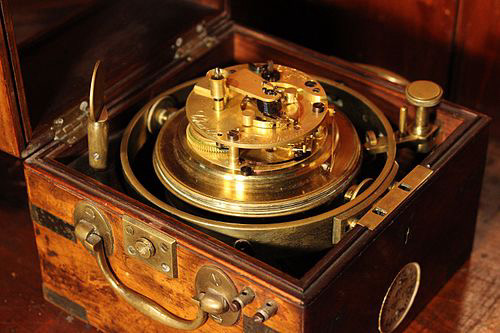
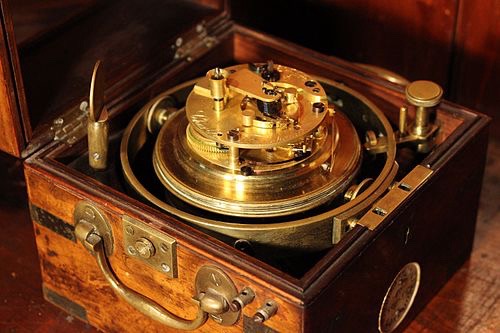
Ever think about how much goes into that watch on your wrist? It's way more than just something to tell time; it's a tiny marvel packed with centuries of clever ideas, something every dialhead appreciates. Back in the 1700s, figuring out where you were at sea was a nightmare until folks like John Harrison cracked it with super-accurate marine chronometers. That wasn't just about telling time; it was about saving lives and opening up the world for exploration.
Then came the stuff that made watches super practical for everyday wear. Imagine having to wind your watch daily! Thankfully, inventors came up with automatic movements, so your watch winds itself just by you wearing it. And when Seiko dropped the Quartz Astron in '69, it made accurate timekeeping accessible and affordable for pretty much everyone. Plus, thanks to breakthroughs like Rolex's Oyster case, you can now take your watch for a swim without it turning into a paperweight.
These aren't just old stories; they're the foundations of modern watchmaking. Even today, innovations like George Daniels' Co-Axial escapement, used by Omega, keep pushing the boundaries, making watches more reliable and accurate for longer. So next time you glance at your watch, remember it's a small piece of history, always evolving, always innovating.
GALLERY
WRITTEN BY
Nick
I originally started VELOCE to put my skills to work, hone my app design and web development practices, and dive deeper into the world of horology. I wanted to learn more about the watches, the brands, and the incredible people behind them - the creators, the designers, and the collectors. I love discovering new timepieces and sharing their stories with the world. VELOCE is my ultimate passion project and hobby, the creative space I head to after my full-time job to build something I truly care about.