The Journal By Nick·July 9, 2025· 3 min read
The Watch That Saved Sailors: Harrison’s Game-Changing H4
By Nick·July 9, 2025· 3 min readDiscover the incredible story of John Harrison's H4 marine chronometer, the revolutionary timepiece that finally solved the centuries-old problem of determining longitude at sea, saving countless lives and transforming global navigation.
0 views
John Harrison's H4: The Watch That Conquered the Seas
Solving the Longitude Problem
Imagine sailing the open ocean centuries ago, knowing exactly how far north or south you were, but having no clue about your east or west position. That was the 'longitude problem,' and it led to countless shipwrecks and lost lives, a fact that would distress any modern dialhead. The British government even put up a massive £20,000 prize – serious cash back then – for anyone who could crack it. Enter John Harrison, a self-taught clockmaker who took on the challenge.
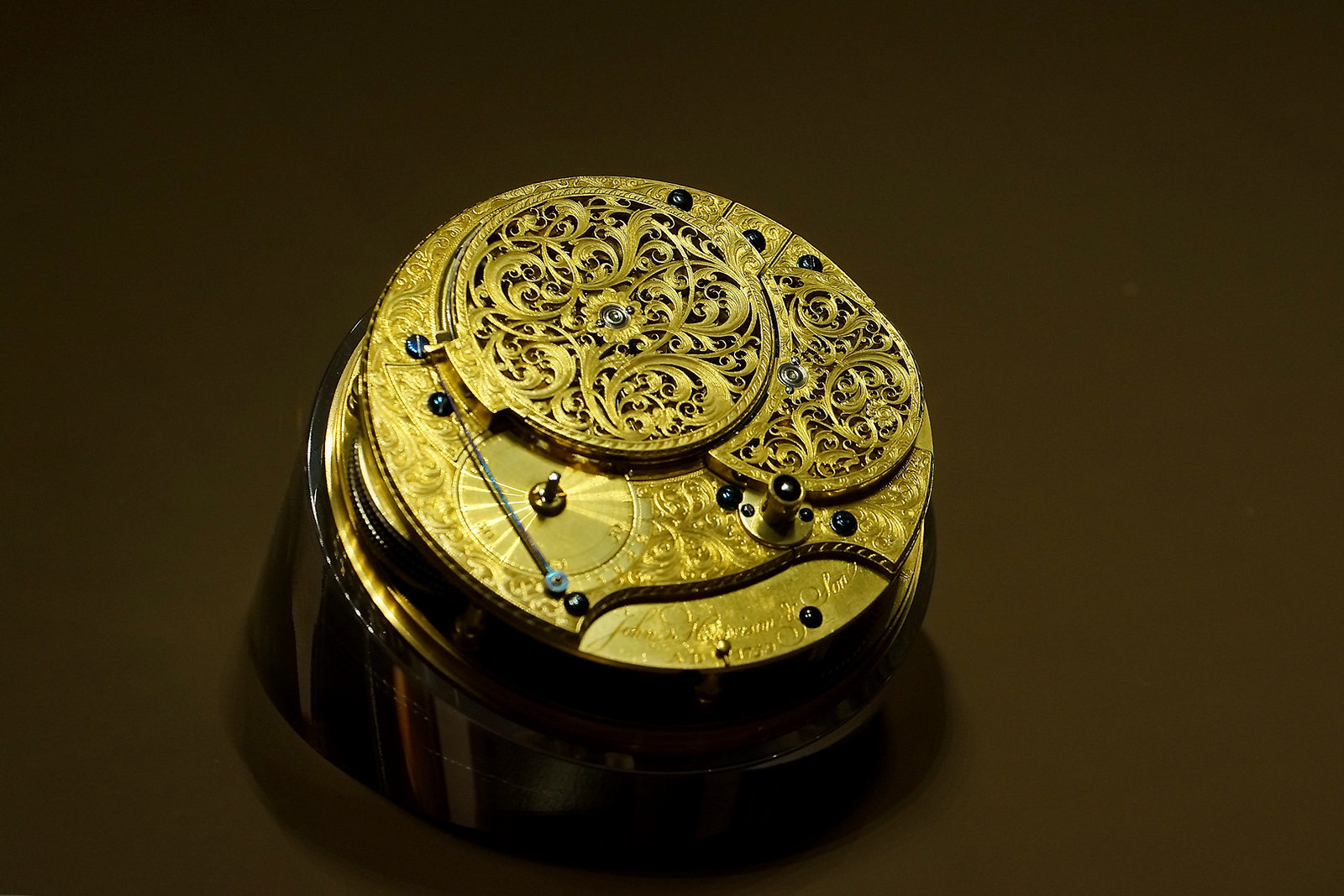
Harrison spent over three decades obsessing over this problem, and his masterpiece was the H4 marine chronometer, completed in 1759. It looked like a hefty pocket watch, but inside, it was a marvel of engineering: things like temperature compensation, jeweled bearings, and a high-frequency balance wheel, all designed to keep perfect time no matter the rolling seas or changing climates. On its first real-world test to Jamaica, this thing was a superstar, losing a mere five seconds over 81 days. That's practically pinpoint accuracy for its era!
This wasn't just some fancy clock; it was a game-changer. The H4 meant sailors could finally plot their position accurately, making voyages safer, boosting global trade, and generally revolutionizing navigation forever. It’s one of those moments in history where a brilliant mind, a persistent spirit, and a little bit of ingenious mechanics completely shifted the world. Truly a landmark piece of horological history.
GALLERY
WRITTEN BY
Nick
I originally started VELOCE to put my skills to work, hone my app design and web development practices, and dive deeper into the world of horology. I wanted to learn more about the watches, the brands, and the incredible people behind them - the creators, the designers, and the collectors. I love discovering new timepieces and sharing their stories with the world. VELOCE is my ultimate passion project and hobby, the creative space I head to after my full-time job to build something I truly care about.