The Journal By Nick·August 4, 2025· 3 min read
When the Glass Ran Thin: How Supply Shortages Deepened the Watch Industry Collapse (1970s - 1980s)
By Nick·August 4, 2025· 3 min readBeyond the rise of quartz, the 1970s and 80s presented an unexpected challenge for traditional watchmakers: a critical shortage of basic components like watch crystals, which contributed significantly to the demise of many smaller brands.
0 views
The Quartz Crisis: More Than Just Technology
The Hidden Crisis for Mechanical Watches
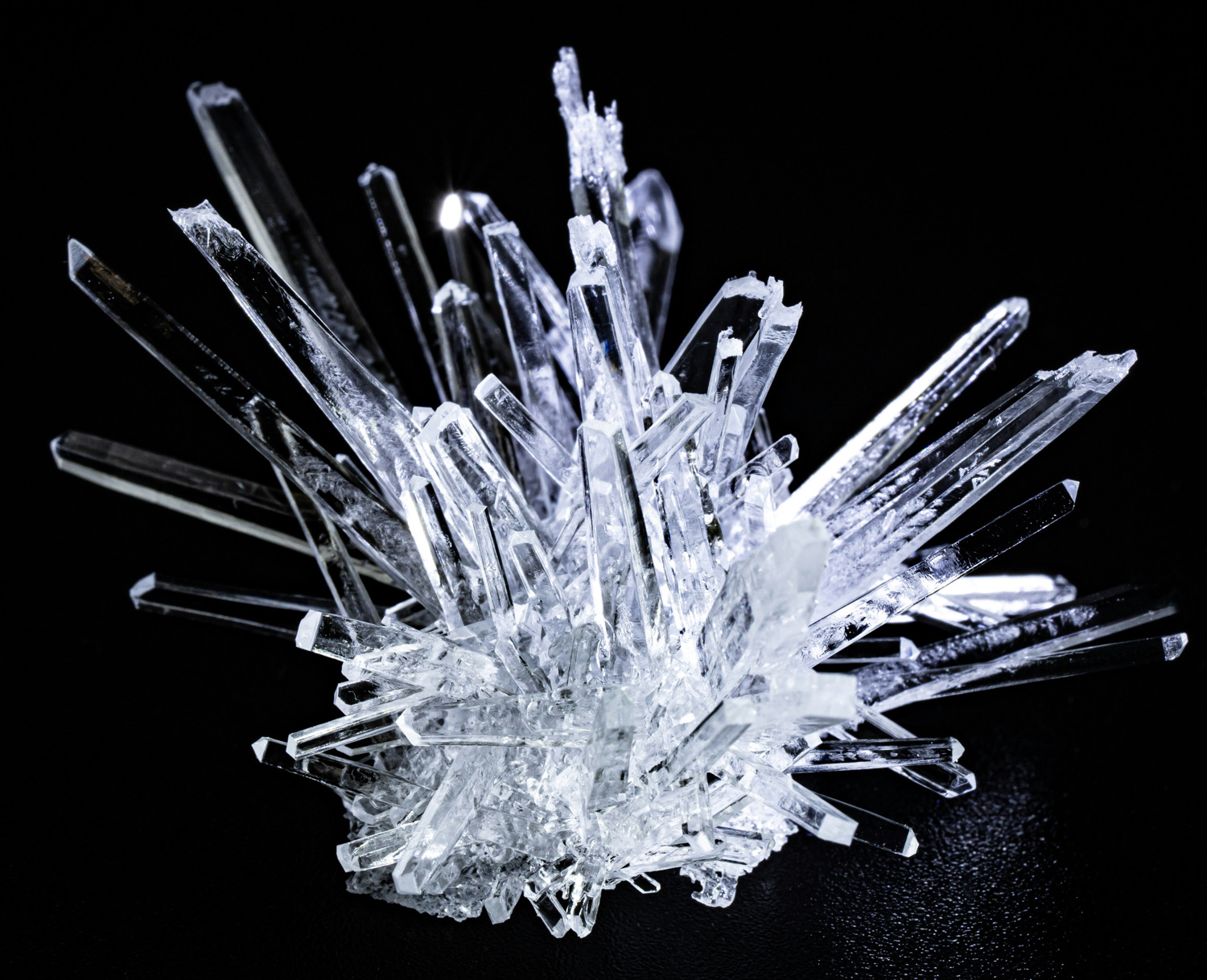
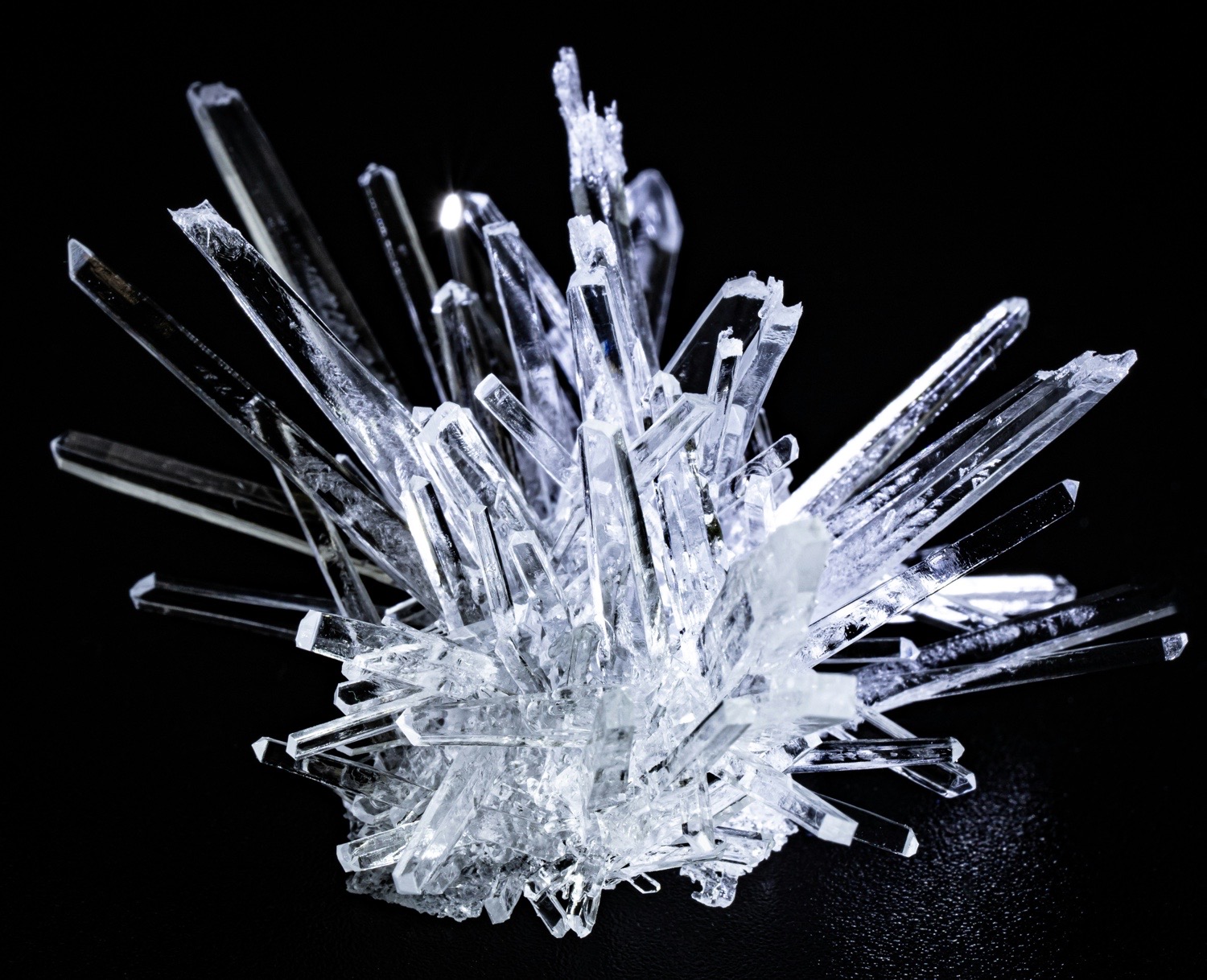
Remember the 70s and 80s, when quartz watches burst onto the scene? It wasn't just about Seiko and others making super-accurate, affordable digital watches that put traditional mechanical brands on the ropes for any self-respecting dialhead. On top of that huge tech shift, there was also a serious behind-the-scenes headache: a shortage of basic stuff like watch crystals. We're not talking fancy sapphire here, just the regular mineral ones needed for everyday watches. For smaller brands that didn't make their own parts, getting even a simple crystal could hold up everything, draining their already tight budgets.
This parts crunch, while not the only villain, definitely twisted the knife for many. Brands like Wolbrook, Enicar, and Zodiac, which were once well-known, either went completely belly-up or just faded away. They simply couldn't handle a double whammy of rapidly changing tastes and not being able to get the parts they needed. Think about it: trying to sell mechanical watches when everyone wants quartz, and then you can't even build the mechanical ones because of a missing crystal? It was a nightmare scenario.
Even big names had to pull back or merge just to keep the lights on. It’s a classic reminder that when an industry faces a revolution, it’s rarely just one thing that decides who survives. Sometimes, being innovative isn't enough; if you can't get the parts to make your product, you're toast. Good news is, a lot of those old names are making a comeback today, proving there's still a love for the mechanical stuff, but their original fall is a stark lesson in market dynamics.
GALLERY
WRITTEN BY
Nick
I originally started VELOCE to put my skills to work, hone my app design and web development practices, and dive deeper into the world of horology. I wanted to learn more about the watches, the brands, and the incredible people behind them - the creators, the designers, and the collectors. I love discovering new timepieces and sharing their stories with the world. VELOCE is my ultimate passion project and hobby, the creative space I head to after my full-time job to build something I truly care about.