The Journal By Nick·May 29, 2026· 5 min read
Miyota 2S60: The Ultimate 10-Year Quartz Movement | VELOCE
By Nick·May 29, 2026· 5 min readIn the landscape of modern horology, the debate between mechanical and quartz movements is often clouded by romanticism. Mechanical calibers offer soul and sweeping seconds hands, but when absolute, uncompromising reliability is the primary objective, quartz reigns supreme. For tactical operators, professional divers, and field personnel, a watch failing in the field is not an inconvenience; it is a critical liability.
0 views
IN THIS ARTICLE
In the landscape of modern horology, the debate between mechanical and quartz movements is often clouded by romanticism for the more traditional dialhead. Mechanical calibers offer soul and sweeping seconds hands, but when absolute, uncompromising reliability is the primary objective, quartz reigns supreme. For tactical operators, professional divers, and field personnel, a watch failing in the field is not an inconvenience; it is a critical liability.
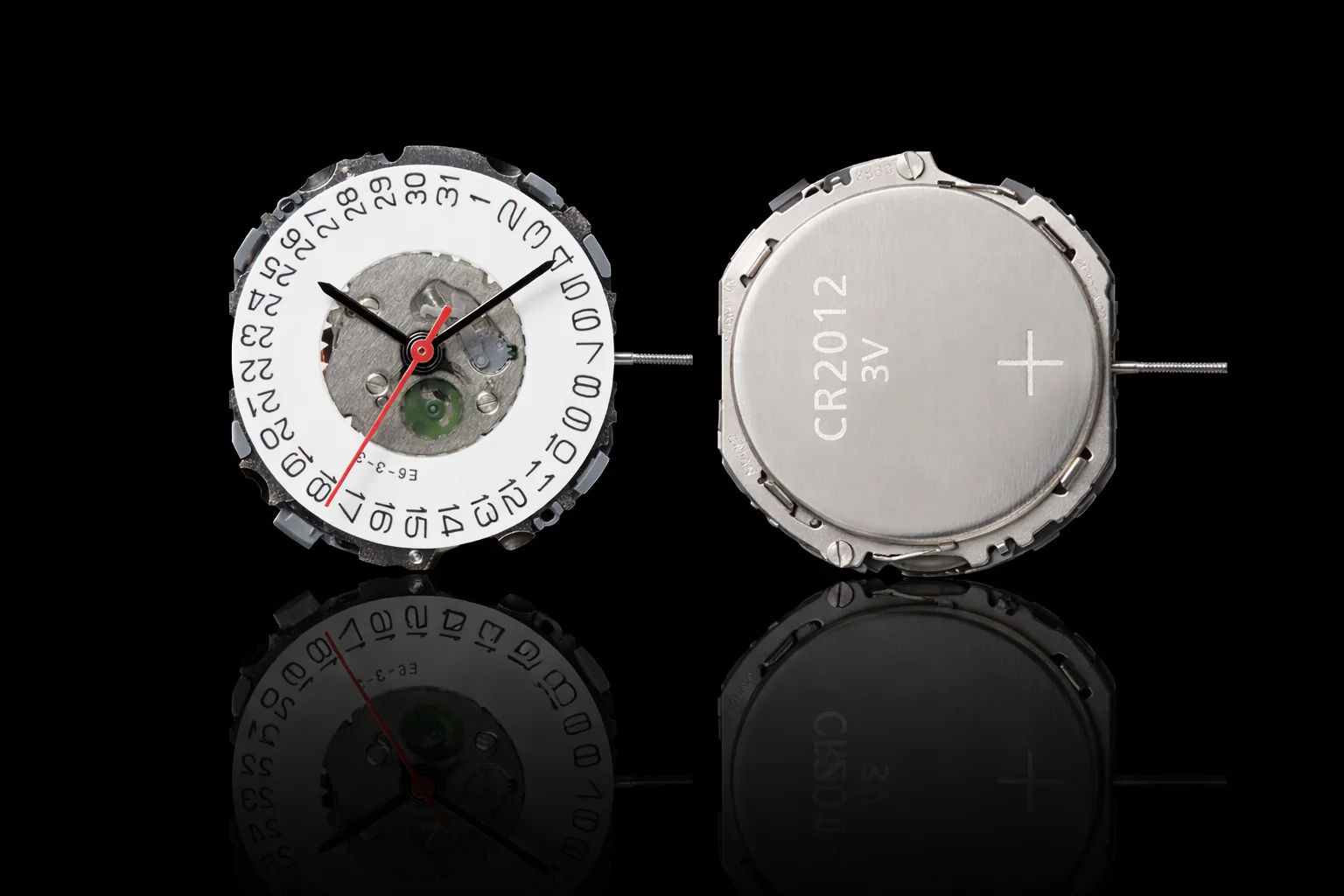
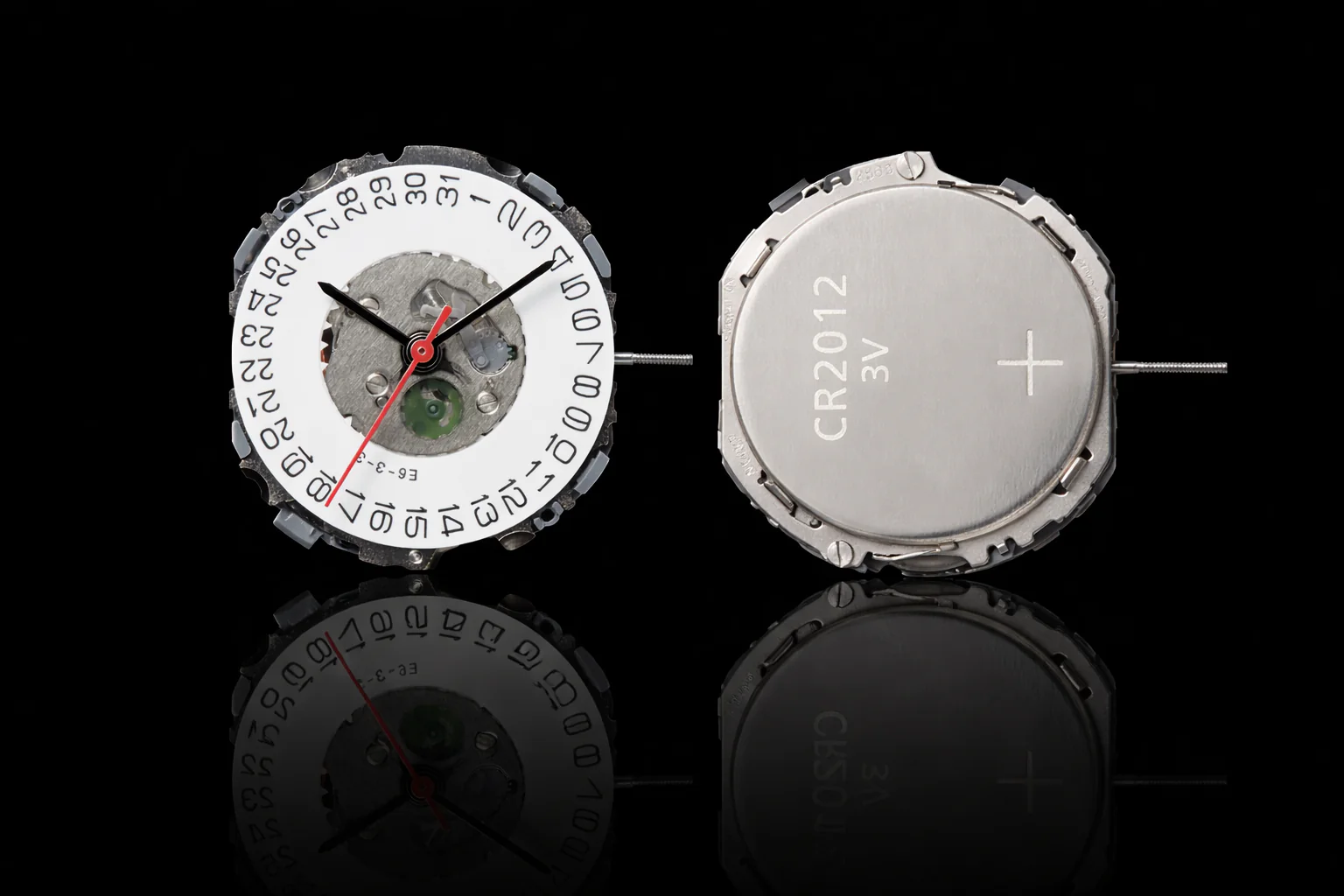
This stringent demand for reliability brings us to a quiet powerhouse in the industry: the Citizen/Miyota 2S60 Quartz Movement. Built by one of the largest and most respected movement manufacturers on the planet, the 2S60 is engineered specifically for "set it and forget it" utility. By maximizing energy efficiency to deliver a staggering 10-year battery lifespan, the 2S60 effectively eliminates one of the biggest vulnerabilities of traditional quartz dive watches: the frequent opening of the caseback. Let's delve into the technical anatomy of this enduring caliber.
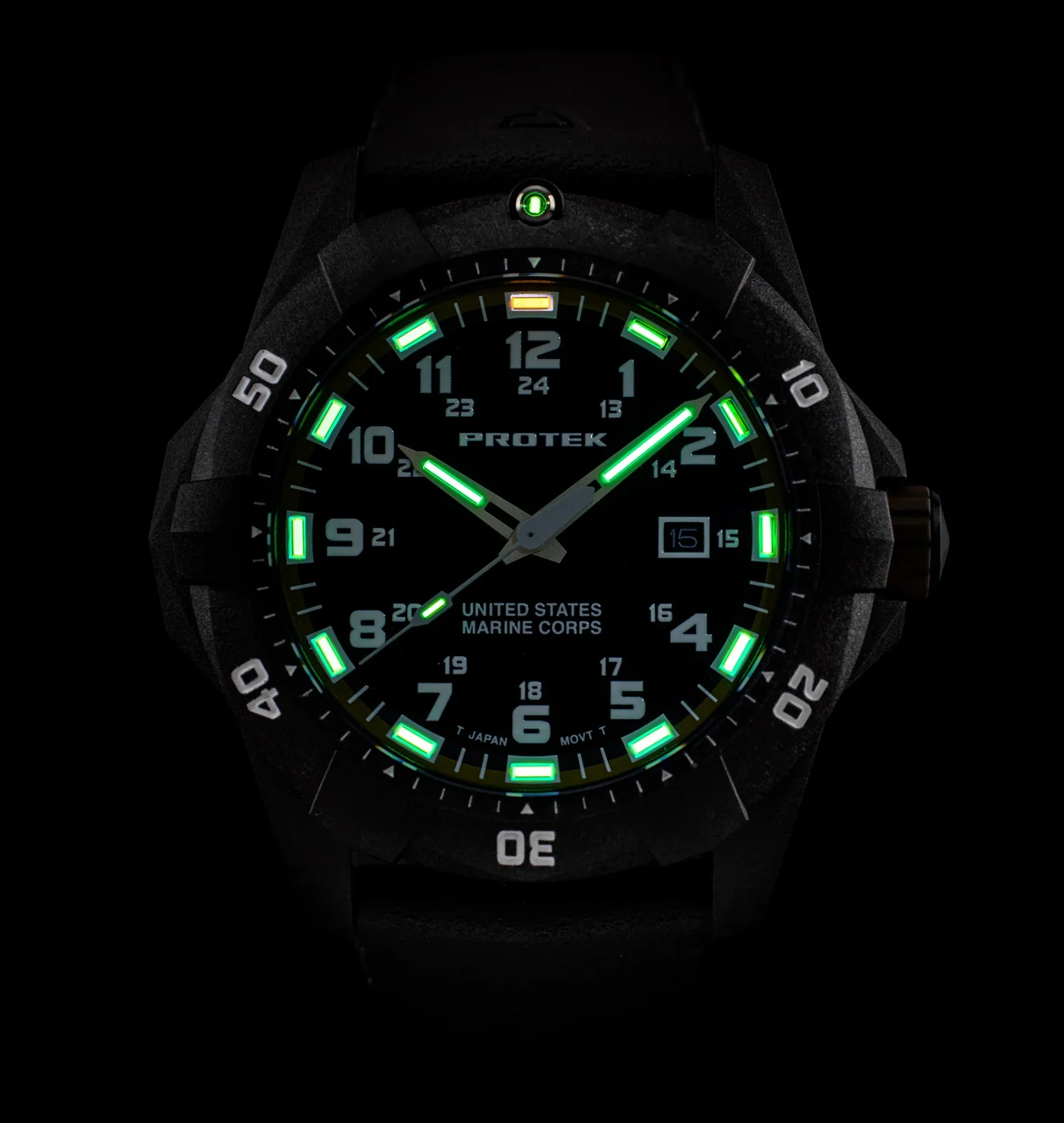
Explore the ProTek PT1016D USMC Dive Watch
The Philosophy Behind the 10-Year Quartz Movement
To understand the value of the 2S60, one must look at the historical progression of quartz technology. When quartz watches first revolutionized the market in the 1970s and 80s, the standard battery life hovered around two to three years. While this represented a massive leap forward in accuracy compared to their mechanical counterparts, it still necessitated a regular cycle of maintenance, requiring the watch owner to repeatedly seek out a watchmaker to swap the silver oxide cell.
The Miyota 2S60 was developed as a direct counter to this vulnerability. By drastically refining the integrated circuit (IC) and optimizing the step motor's power consumption, Miyota successfully stretched the power reserve of a high-capacity lithium battery to an entire decade. This engineering feat makes the 2S60 a premier choice for rigorous tool watches where uninterrupted, long-term deployment is not just a feature, but a mission-critical requirement.
"A lot of purists turn their noses up at quartz, but they are missing the point of a tool watch. The 2S60's 10-year battery isn't just about convenience; it’s a structural feature. Every year you don't have to crack open that caseback is another year your waterproof seals remain perfectly untouched from the factory. It’s brilliant engineering through sheer endurance."
Technical Deep Dive: Torque, Hand Dynamics, and Water Resistance
Handling Heavy-Duty Hardware: The High-Torque Advantage
One of the lesser-known challenges in robust watch design is the relationship between the movement's power and the physical weight of the hands on the dial. Dive watches and tactical timepieces, by their very nature, require large, highly visible hands painted with heavy luminescent materials like Super-LumiNova or, in some cases, tritium tubes. Standard, low-cost quartz movements often lack the necessary torque to push these heavier hands without stuttering, losing time, or draining the battery exponentially faster.
The 2S60 features a robust power engine specifically calibrated to handle the increased mass of tactical handset designs. It delivers consistent, high-torque impulses to the gear train, ensuring that even thick, lume-heavy hands snap precisely to their designated markers second after second. This capability makes it a favorite among independent and specialized brands producing heavy-duty dive and field watches.
Preserving Integrity: The 10-Year Seal
From a technical standpoint, the greatest enemy of a dive watch's longevity is not water, but air—specifically, the act of letting air in. A 300-meter dive watch is only as water-resistant as its caseback gasket (O-ring), which must remain perfectly seated, lubricated, and compressed. Every single time a watch is opened to replace a dead battery, that factory-sealed integrity is broken. The gasket must be meticulously inspected, re-lubricated, or replaced, and to ensure its specified depth rating, the case should be professionally pressure tested again.
The Miyota 2S60 brilliantly solves this structural vulnerability through sheer endurance. By providing a 10-year, uninterrupted runtime, the movement guarantees that the critical factory seal can remain intact for a full decade. The watch can be subjected to repeated pressure cycles, saltwater immersion, and severe temperature shocks without the looming risk of a compromised, recently replaced gasket failing at depth.
View Official Miyota 2S60 Specs
Miyota 2S60 Specifications at a Glance
- Manufacturer: Miyota (Citizen Watch Co. Ltd.)
- Caliber Type: Standard Quartz (3-Hand with Date)
- Battery Life: Approximately 10 Years (using a CR2012 lithium battery)
- Accuracy: Rated at ±20 Seconds Per Month (under normal operating temperatures)
- Jewels: 0
- Key Feature: High-torque motor designed for heavy hands
Frequently Asked Questions
How does the Miyota 2S60 achieve a 10-year battery life?
It achieves this impressive lifespan through a combination of a highly energy-efficient integrated circuit and the use of a larger, high-capacity 3V Lithium battery (specifically, the CR2012 type). This battery holds significantly more energy than the standard 1.55V silver-oxide batteries found in typical quartz watches.
Is the 2S60 movement repairable or is it meant to be replaced?
While certain components like the battery, coil, or circuit can technically be accessed by a skilled watchmaker, the highly automated and cost-effective manufacturing process of modern Miyota quartz movements means it is almost always more practical and reliable to simply swap the entire movement if it fails outside of a simple battery change.
Does the high-torque motor damage the gear train over time?
No. Miyota engineers the gear train of its heavy-duty quartz movements with reinforced synthetic wheels and precise tolerances. These components are designed specifically to withstand the powerful pulse of a high-torque step motor without experiencing premature wear or failure.
GALLERY
WRITTEN BY
Nick
I originally started VELOCE to put my skills to work, hone my app design and web development practices, and dive deeper into the world of horology. I wanted to learn more about the watches, the brands, and the incredible people behind them - the creators, the designers, and the collectors. I love discovering new timepieces and sharing their stories with the world. VELOCE is my ultimate passion project and hobby, the creative space I head to after my full-time job to build something I truly care about.