The Journal By Nick·July 7, 2026· 5 min read
Seiko Star Time: 1,000,000-Hour Mechanical Watch
By Nick·July 7, 2026· 5 min readThe Star Time isn't tracking your lifetime; it’s tracking the lifetime of your great-grandchildren. All with gears and springs.
0 views
IN THIS ARTICLE
Seiko Just Built a Mechanical Watch That Tracks 1,000,000 Hours
One million hours. That’s 114 years. It's a number so large it feels abstract, but Seiko just built a purely mechanical watch that can track all of it on a single dial, a feat sure to impress any serious dialhead.
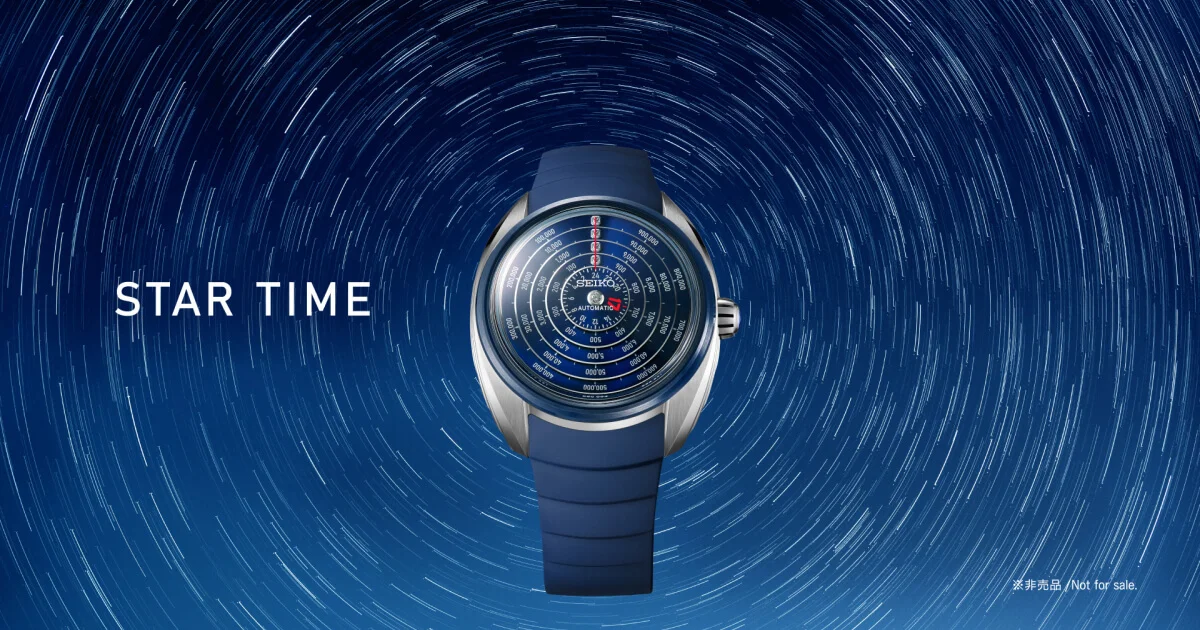
This isn't a concept drawing or a real, functioning mechanical timepiece called the Star Time, created as a one-of-one masterpiece for baseball icon Shohei Ohtani.
It's probably the most ambitious mechanical calendar—if you can even call it that—ever conceived, and it came not from a Swiss Richemont lab, but from the minds at Seiko.
This project reimagines what a watch is for. It shifts the focus from the immediate day or month to the scale of a human lifetime and beyond, all with gears and springs.
The Seiko Star Time: A Universe on the Wrist
Let's be clear: this isn't just a sponsorship piece with a logo slapped on it. Ohtani was deeply involved in the watch's conception and design from the very beginning.
He tasked Seiko with creating a constant, wearable reminder of broad temporal context. For an athlete whose career is measured in seasons and contracts, this is a profound statement.
The result is a watch that tracks progress on a scale few of us ever consider, reflecting an unwavering drive towards a distant goal. It’s pure Seiko philosophy, materialized in metal.
A Dial That Measures a Lifetime
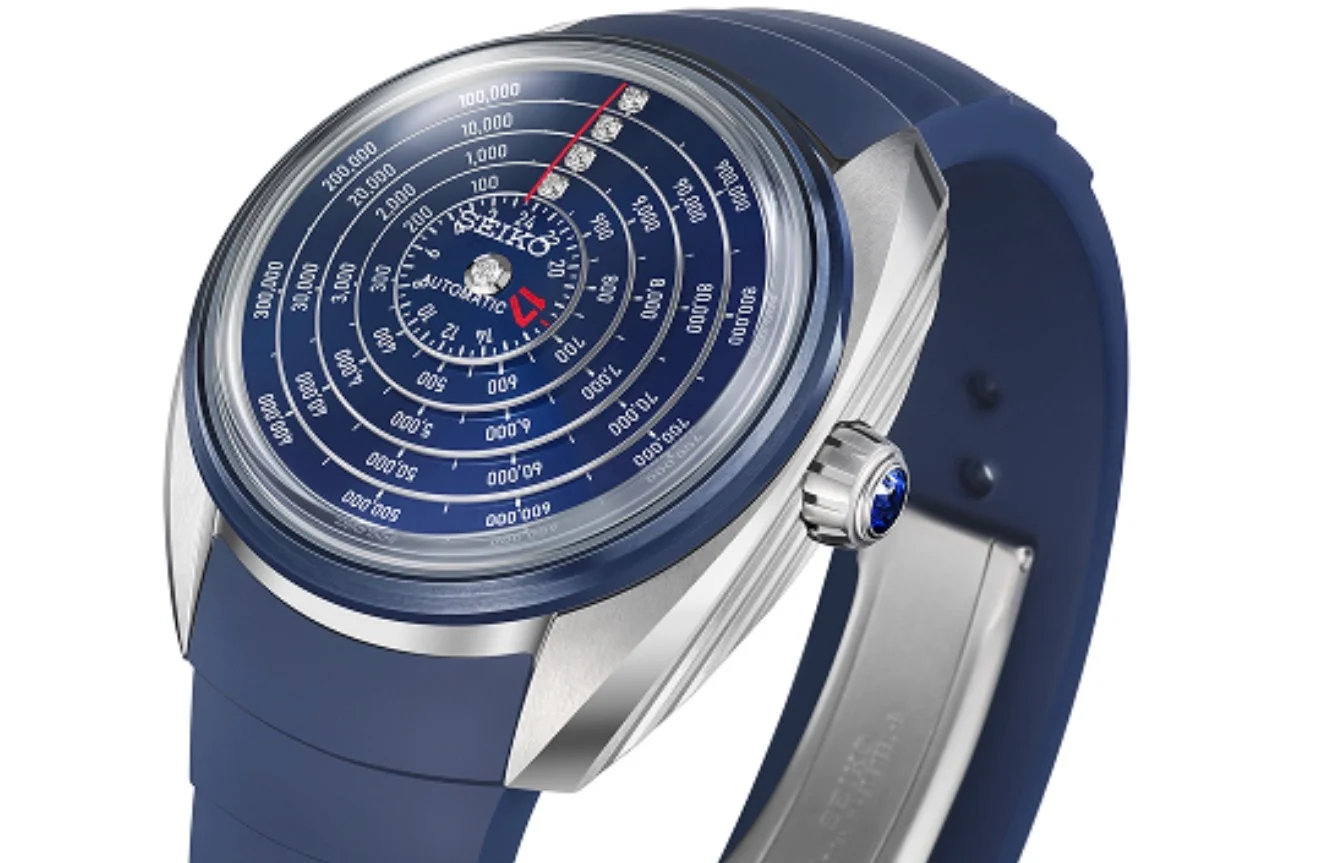
So how does it actually work? The Star Time dial is built from five stacked, rotating discs. It’s a beautifully complex system that’s surprisingly easy to understand once you break it down.
The center disc is your anchor to the present. It functions as a standard 24-hour dial, telling you the time of day just like any other watch.
But here’s where the magic starts. With each full 24-hour rotation, that center disc nudges the next disc forward one increment. This second disc completes a full rotation once every 1,000 hours, or about 42 days.
Forget perpetual calendars. The Star Time isn't tracking your lifetime; it’s tracking the lifetime of your great-grandchildren. All with gears and springs.
This cascade continues outward. The 1,000-hour disc drives a 10,000-hour disc. The 10,000-hour disc drives a 100,000-hour disc. And finally, that one drives the outermost disc, which marks the passage of one million hours—114 years.
Celestial Inspiration
The visual metaphor for this grand mechanism is the night sky. According to Seiko, it was Ohtani's idea to place diamonds on the discs to represent stars.
A single, central diamond acts as the North Star. It’s a reference to Polaris, the star that remains fixed in our sky while all others rotate around it.
This represents Ohtani's own philosophy: to have an "unwavering goal whose position never changes." It’s a powerful, personal touch that elevates the watch beyond a mere technical exercise.
Built for a Legend: Case and Materials
A watch this significant needs a case that can stand the test of time, literally. Seiko built the Star Time from their proprietary High-Intensity Titanium.
This isn't your standard Grade 2 or 5 titanium. It’s a special alloy that Seiko treats to be brighter than steel and significantly more scratch-resistant.
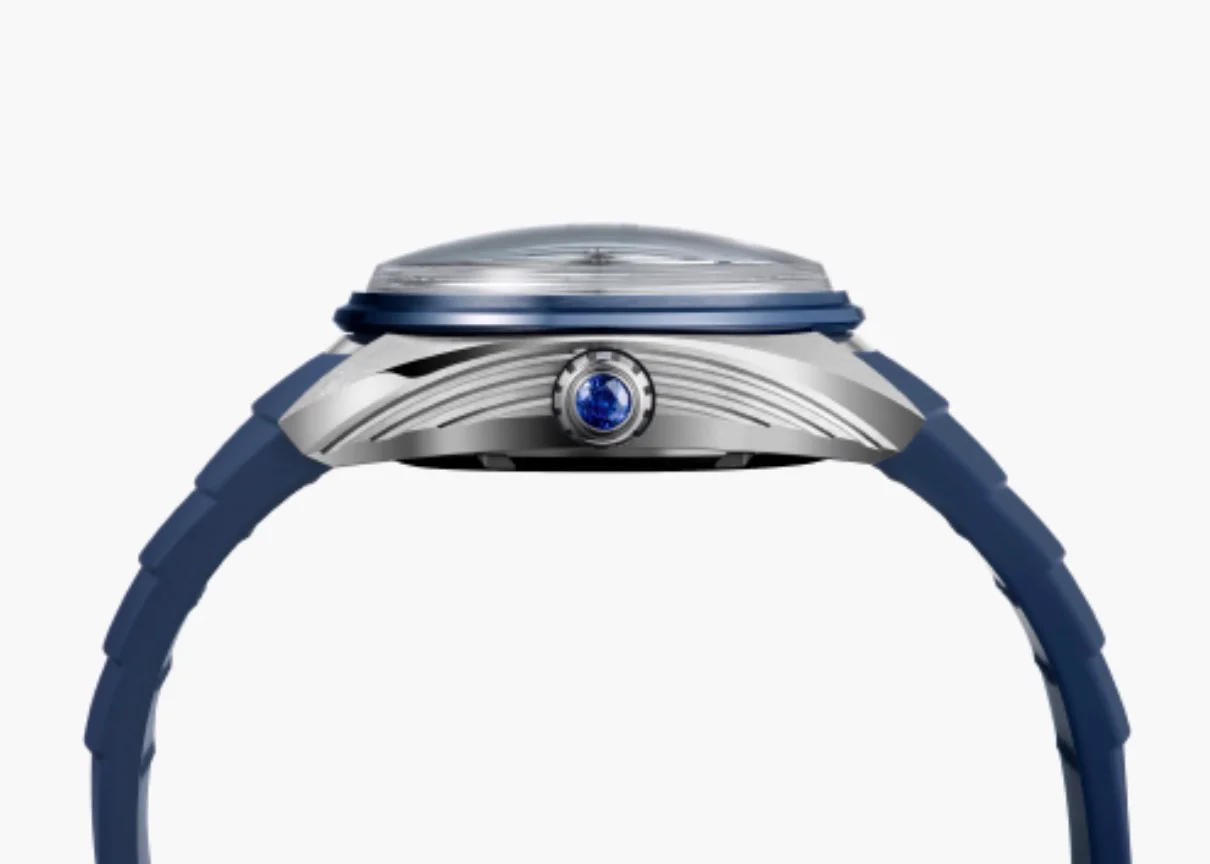
The case measures 41.8mm wide by a very substantial 17.4mm tall. That thickness is necessary to house the multi-layered movement, giving the watch an incredible presence on the wrist.
| Case | 41.8mm × 17.4mm, High-Intensity Titanium |
| Bezel | Ceramic |
| Crown | Set with blue sapphire |
| Movement | Undisclosed Mechanical Caliber |
| Crystal | Box Sapphire |
| Water Resistance | 100m / 10 ATM |
| Strap | Fitted silicone with High-Intensity Titanium clasp |
| Price | One-of-one, not for sale |
It’s topped with a ceramic bezel and a box sapphire crystal, classic high-end sports watch cues. It’s even water-resistant to 100 meters, making it genuinely wearable for someone as active as Ohtani.
The watch is fitted to a custom silicone strap with a titanium folding clasp. Every detail was considered to make it comfortable enough for daily wear, despite its complexity.
The Million-Hour Mystery Movement
Here’s the part every watch nerd wants to know: what’s inside? Unsurprisingly, Seiko is keeping the movement details completely under wraps.
We know it’s fully mechanical and built on a completely new architecture. Think about the engineering challenge here. The movement needs to generate and deliver enormous, consistent torque over decades to move those heavy outer discs.
The gear reduction must be astronomical. This isn't just a modified calendar module; it's a ground-up rethinking of how to display the slow, relentless passage of time through mechanics.
Seiko will likely use innovations developed for this project in future movements. For now, the caliber inside the Star Time is a tantalizing secret, a testament to the brand's R&D prowess.
Editor's Take
The Star Time is less a watch and more a piece of horological philosophy on the wrist. It's an incredible technical flex from Seiko, proving their skunkworks can build things the Swiss wouldn't even dream of. This isn't for sale, and it shouldn't be; its value is in proving what's still possible with mechanical watchmaking.
A Statement of Intent from Seiko
Ultimately, the Star Time is more than just a watch for a famous baseball player. It’s a declaration from Seiko. It’s a loud and clear signal that their capacity for innovation in pure, high-end mechanics is second to none.
For years, enthusiasts have known Seiko for its incredible value in watches like the Prospex divers and Presage dress pieces. But we sometimes forget they also operate at the highest echelons of horology.
The Star Time is a powerful reminder. While the rest of the industry iterates on the same complications, Seiko is out here asking entirely new questions about time itself—and then answering them with gears and springs.
GALLERY
WRITTEN BY
Nick
I originally started VELOCE to put my skills to work, hone my app design and web development practices, and dive deeper into the world of horology. I wanted to learn more about the watches, the brands, and the incredible people behind them - the creators, the designers, and the collectors. I love discovering new timepieces and sharing their stories with the world. VELOCE is my ultimate passion project and hobby, the creative space I head to after my full-time job to build something I truly care about.
The Veloce Newsletter
New watches, every week
The community's best posts and fresh stories from the journal, straight to your inbox. No spam, unsubscribe anytime.