The Journal By Nick·July 24, 2026· 7 min read
Jostal Feldberg: A True GMT Born in the Black Forest
By Nick·July 24, 2026· 7 min readDiscover the Jostal Feldberg, a true GMT born in Germany's Black Forest. Featuring the coveted Miyota 9075 movement, this watch offers exceptional traveler's functionality and impressive microbrand value at $815
0 views
IN THIS ARTICLE
Every so often, a new brand appears that just feels right to a discerning dialhead. Not because it has a billion-dollar marketing budget, but because it has a story, a sense of place, and a product that punches well above its weight. That’s the feeling I get from Jostal Uhren and its debut traveler’s watch, the Feldberg.
Named after the highest mountain in Germany’s Black Forest, this isn’t just another GMT. It’s a watch with a clear identity, built around a movement that enthusiasts have been clamoring for. At a price of €750, it represents a compelling argument for what a thoughtful microbrand can achieve.
Let's break down what makes this watch tick, from its German roots to the Japanese engine under the hood. It’s a compelling package that gets a lot of things right straight out of the gate.
40mmCase
About $815Price
42hPower Reserve
50mWater Res.
A Tool Watch with Regional DNA
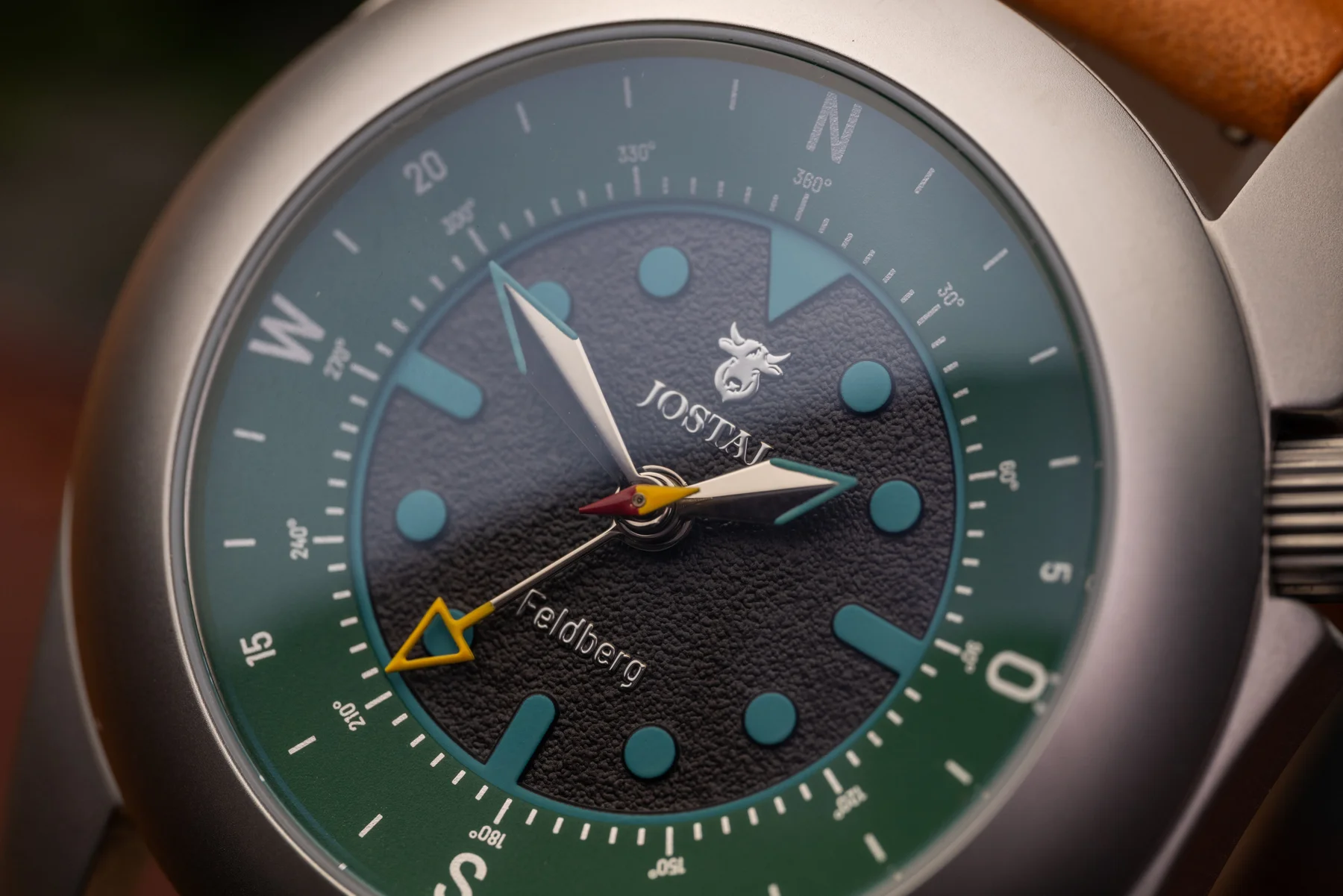
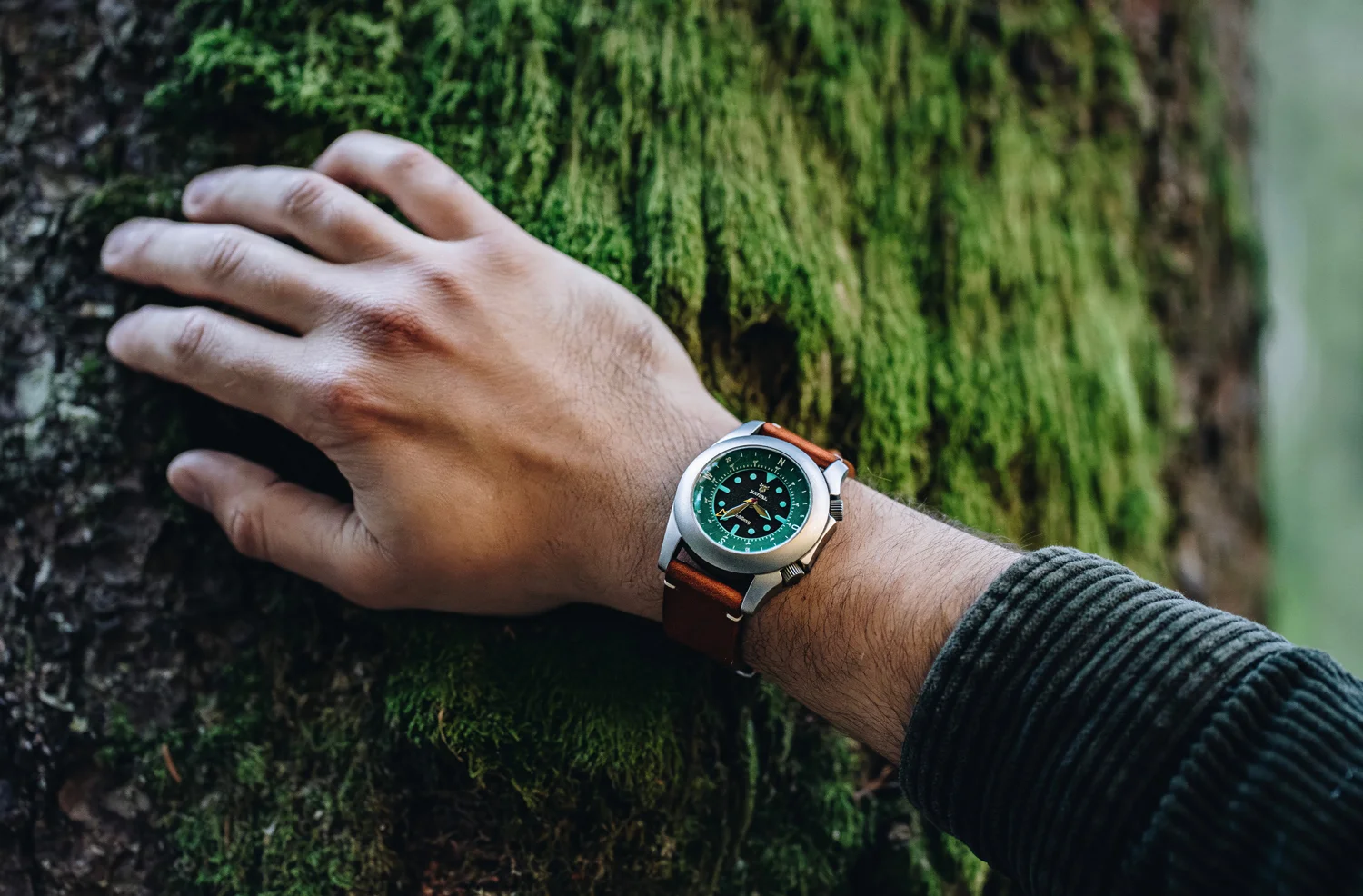
The first thing you notice about the Feldberg is its no-nonsense aesthetic. The 40mm stainless steel case is entirely sandblasted, giving it a soft, matte gray finish that resists fingerprints and hides minor scuffs. This isn't a watch designed for a jewelry box; it's made to be worn.
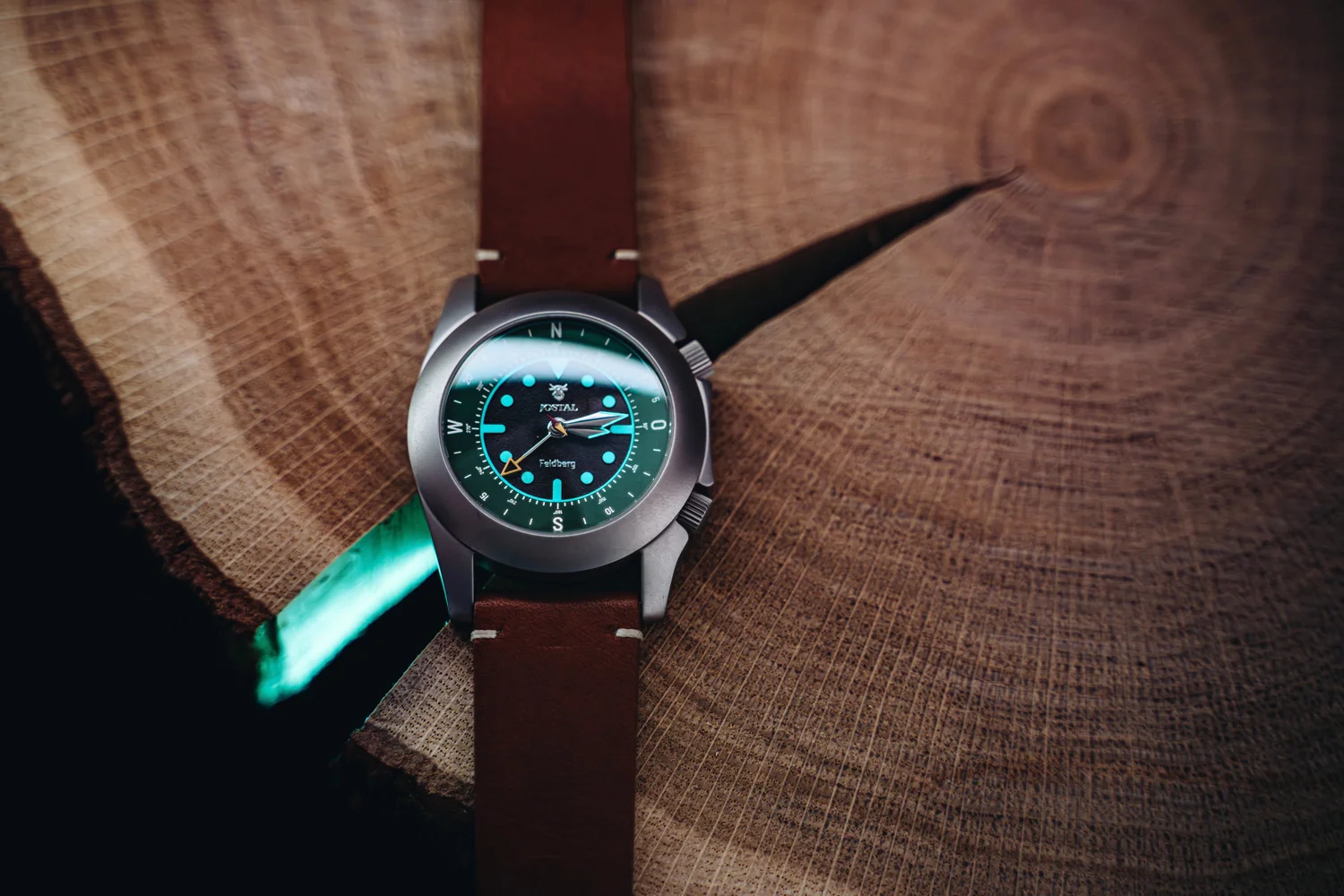
Dimensionally, Jostal nailed the sweet spot for a modern tool watch. At exactly 12mm thick including the domed sapphire crystal, it has presence without being overbearing. These dimensions suggest a watch that should sit comfortably on a wide variety of wrists.
The dial itself has this fantastic, sandpaper-like texture. It’s a subtle choice that diffuses light beautifully, enhancing legibility and adding a layer of visual depth that flat dials lack. It's a small detail, but it shows someone was really thinking about the final product.
The Heart of a True Traveler: Miyota 9075
Here’s where it gets really interesting. The engine inside the Feldberg is the Citizen Miyota 9075. For those who follow movement news, this caliber was a game-changer when it arrived, bringing a highly sought-after complication to a much more accessible price point.
What’s the big deal? The 9075 is a "true" GMT, also known as a traveler's or flyer's GMT. This means the main 12-hour hand is independently adjustable in one-hour jumps, forwards or backwards, while the watch continues to run. This is the way a GMT was originally intended to function, making it incredibly practical for changing time zones.
Most affordable GMTs are "caller" GMTs, where you adjust the 24-hour hand instead. That’s fine for tracking a second time zone from your desk, but for actual travel, the Miyota 9075 is the superior setup. Finding it in a sub-$1,000 watch is still a huge win for collectors.
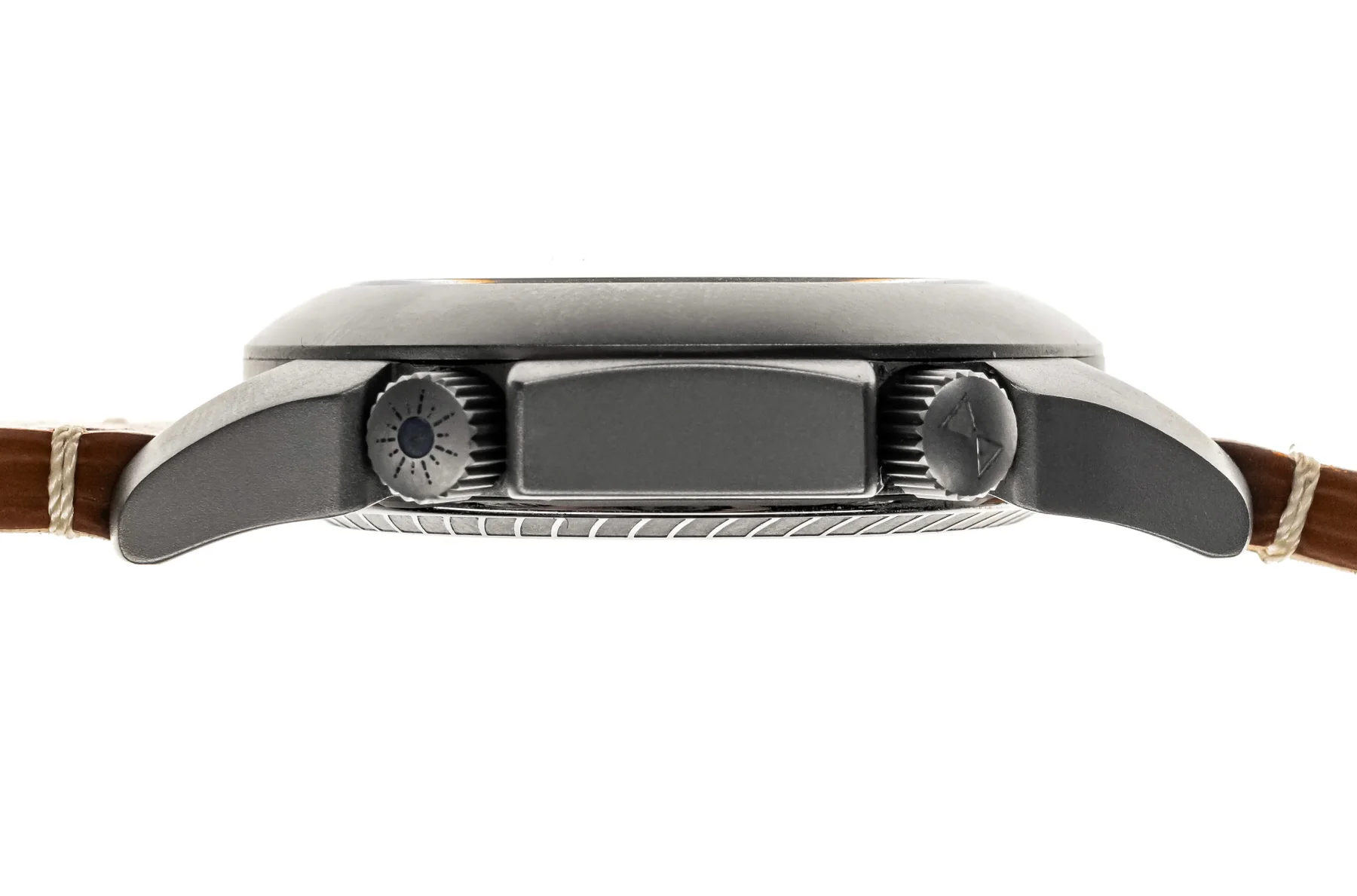
The Miyota 9075 is the star of the show here. It offers the same 'true' GMT functionality found in watches from Rolex and Omega, but at a fraction of the cost. This movement alone makes the Jostal Feldberg a serious contender for any enthusiast.
Beyond the GMT function, the movement is a solid performer. It beats at a modern 28,800 vibrations per hour (4 Hz) for a smooth seconds sweep, offers a 42-hour power reserve, and includes hacking and hand-winding. Miyota's stated accuracy of -10 to +30 seconds per day is conservative; early reports suggest these often run much tighter in practice.
An Ode to the Black Forest
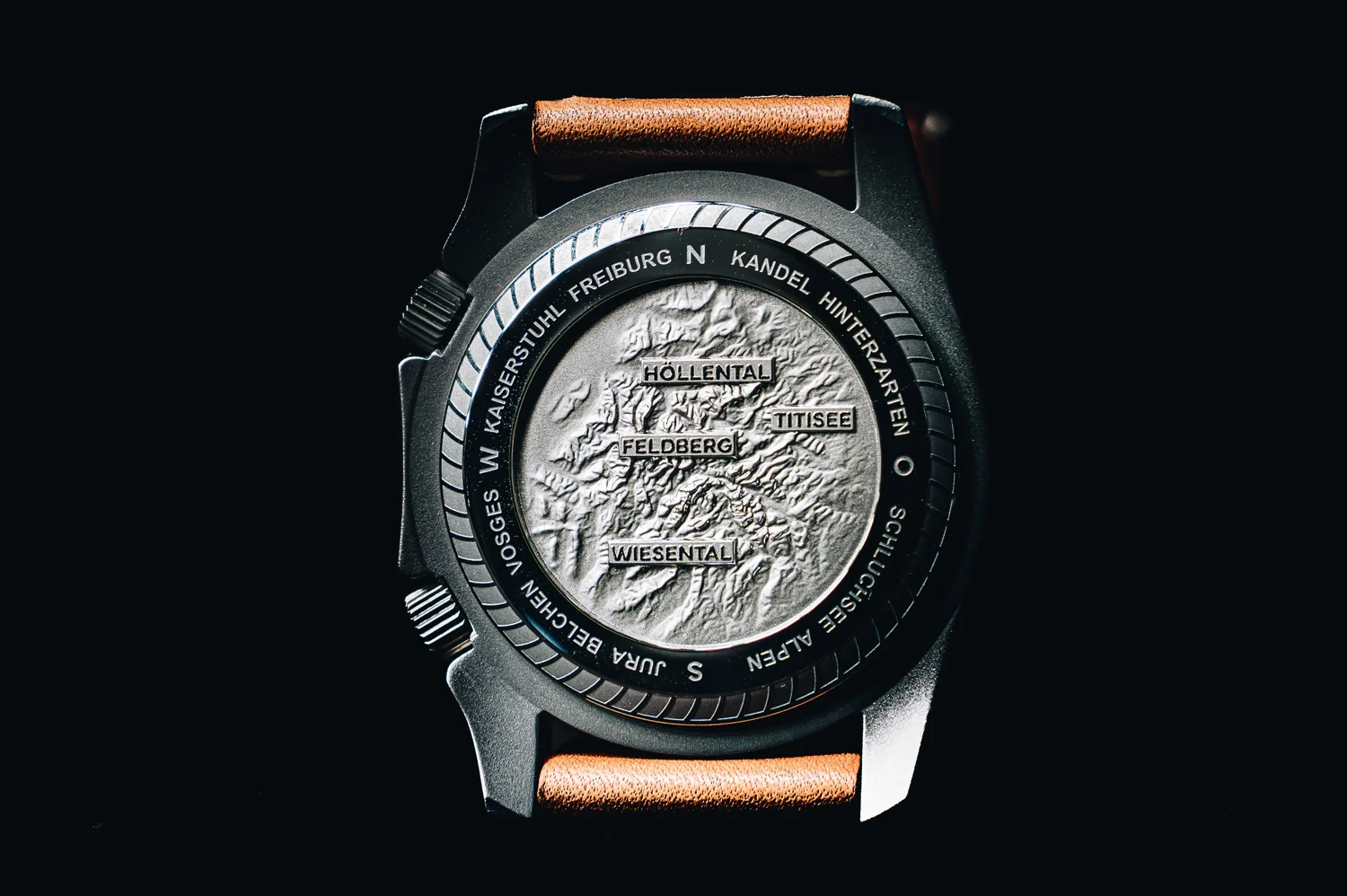
Jostal didn’t just name the watch after a mountain; they baked the region’s geography right into the steel. Flip the watch over, and you're greeted with one of the most distinctive casebacks I've seen on a microbrand watch. It’s an engraved relief map of the southern Black Forest.
This isn't just a gimmick. It’s a literal imprint of the brand’s home, a tangible connection to the landscape that inspired the watch. This deep sense of place is what separates a brand like Jostal from the countless generic tool watches on the market.
The rest of the case is just as thoughtfully executed. Up front, an anti-reflective domed sapphire crystal provides scratch resistance and a touch of vintage character. The compass ring around the dial isn't just for show—it functions as a practical solar compass. If you lay the watch flat and point the GMT hand at the sun, the 12 o'clock position will point North and 6 o'clock will point South, further cementing its identity as a watch for exploration.
Practical Details for Daily Wear
Jostal clearly thought about the small things. The watch ships on a leather strap with an engraved buckle, a robust touch often found on more expensive pieces. The 22mm lug width is a strap monster’s dream, and the quick-release system makes changes a tool-free affair.
Shipping logistics also received thoughtful consideration: in a nod to sustainability and international solidarity, the watches are shipped in leather travel cases sourced specifically from the Kyiv region of Ukraine.
Water resistance is rated at 50 meters (5 ATM). Let’s be clear: this is not a dive watch. But it's more than sufficient for everyday life—rain, splashes, and hand-washing are no problem. The focus here is on land-based adventure, not deep-sea exploration.
The Vision of Jostal Uhren
Behind the watch is founder Inh. Dr. Christian Stotz. His vision for Jostal seems crystal clear: build robust, functional watches with a strong German identity. The company's first two models, the Feldberg and its sibling the Bannwald (which differs only in color), are a confident first step.
By using a reliable Miyota movement, Jostal can focus its resources on design, finishing, and storytelling. It's a smart strategy that allows a small brand to deliver a high-value product without the astronomical costs of developing an in-house caliber. This is a brand built by an enthusiast, for enthusiasts.
The "Made in Schwarzwald" positioning isn't just marketing copy. From the caseback to the names of the watches, every element is designed to tie back to the brand's home. They back this up with direct conservation efforts: the Feldberg mountain is 1,493 meters high, and for every watch sold, Jostal donates exactly one cent per meter—€14.93—to the Southern Black Forest Nature Park. It gives the brand a soul that’s hard to replicate.
Editor's Take
The Jostal Feldberg is a fantastic debut that gets almost everything right. For around $815, you get a thoughtfully designed tool watch with a killer "true" GMT movement and a unique story. If you value authentic design and mechanical substance over a legacy brand name, this watch deserves your attention.
Final Thoughts on the Feldberg
In a crowded market, the Jostal Feldberg manages to stand out. It offers a premium feature, the traveler's GMT, at an incredibly competitive price. It combines that with a unique design identity rooted in a specific place, giving it a character that many microbrands lack.
This is the kind of watch that gets me excited about the independent scene. It's proof that with a clear vision and smart component choices, a small brand can create something truly special. If you're in the market for a GMT that’s both a great travel companion and a great conversation piece, the Jostal Feldberg is a compelling choice.
Jostal Feldberg Specifications
| Case | 40mm × 12mm, sandblasted stainless steel |
| Movement | Citizen Miyota 9075, automatic "True" GMT |
| Power Reserve | 42 hours |
| Frequency | 28,800 vph (4 Hz) |
| Crystal | Domed sapphire crystal with AR coating |
| Water Resistance | 50m / 5 ATM |
| Strap | 22mm leather strap with quick-release bars |
| Warranty | 2 Years |
| Price | About $815 USD (€750) |
GALLERY
WRITTEN BY
Nick
I originally started VELOCE to put my skills to work, hone my app design and web development practices, and dive deeper into the world of horology. I wanted to learn more about the watches, the brands, and the incredible people behind them - the creators, the designers, and the collectors. I love discovering new timepieces and sharing their stories with the world. VELOCE is my ultimate passion project and hobby, the creative space I head to after my full-time job to build something I truly care about.